
Introduction: A Workshop at Dusk
I once stood in a dim shop where the only living thing was a single lathe humming like a caged heart; the light pooled on chips of steel and oil-streaked hands. CNC lathe manufacturers have long mastered the ritual of turning cold metal into precise parts, yet the room held a quiet tension—machines older than many of their operators, parts waiting for service, and stacks of orders with deadlines that smell of burnt ozone. Recent industry counts show small shops still report up to 30% unplanned downtime annually, and median cycle time variability creeps upward with older control systems. How do we reconcile craft with failure? (I ask because I’ve spent late nights tightening collets and wondering the same.)
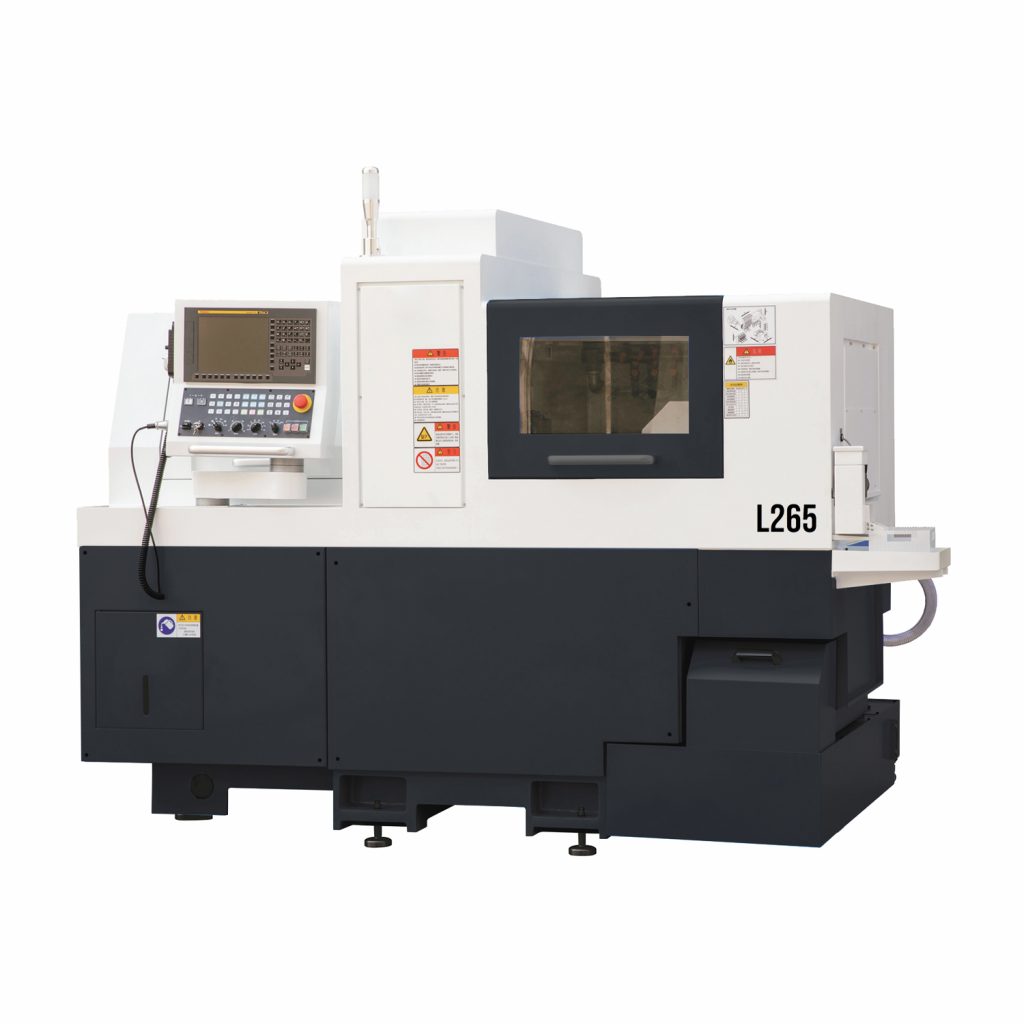
The scene I describe is rooted in real numbers: spindle speed limits, wear on tool turrets, and the subtle drift of axis interpolation that no one mentions until a batch goes bad. I’ll be candid: I’ve seen well-intended upgrades do more harm than good when they ignore basic ergonomics or the realities of shop-floor maintenance. This piece picks up where those quiet moments leave off—moving from observation to action, from worry to a clearer way forward. Next, let’s dig into the cracks we usually ignore.
Hidden Fractures: Why Traditional Fixes Fail
cnc lathe machine for sale often come with glossy brochures and promising specs, but some core design habits keep shops stuck in a loop of repair and compromise. I’ll be direct and technical: old-school solutions trade adaptability for short-term gains. Motorized spindle upgrades are great — until you find the servo drives fighting old CNC controllers; then throughput drops, not rises. Look, it’s simpler than you think: you can’t bolt modern expectations on legacy feedback loops and expect harmony.
Why do these designs break down?
First, manufacturers sometimes prioritize peak torque numbers over real-world thermal management. That means you get a powerful spindle but heat-soak after long runs—accelerated tool wear follows. Second, tool-turret indexing and tool-holder standards vary. A mismatch in collet type or turret indexing precision creates chatter, bad surface finish, and hidden scrap rates. Third, software mismatch: outdated G-code parsers or crude axis interpolation leave modern CAM outputs underused. I’ve watched teams chase nonexistent miracles—flashing firmware, swapping controllers—when the root cause was mechanical backlash or a misaligned tailstock.

These failures are not abstract. Downtime translates to orders missed and stress on everyone from floor techs to shop owners. There are ways to avoid that cascade—measured steps, better diagnostics, and modest hardware alignment can halve the pain. — funny how that works, right? We’ll map those steps next, with practical principles that actually change outcomes.
Forward Motion: New Principles and Practical Paths
What’s next is less about flashy specs and more about systems thinking. When I talk about new technology principles, I mean practical rules: modular controls, predictive maintenance through simple sensors, and standards-based motion control. Consider a cnc metal lathe fitted with incremental encoders and a modern controller that supports smarter axis interpolation. The device talks to the shop via a simple bus, passes status codes, and flags a growing spindle vibration before it ruins a run. That foresight saves time and money.
Real-world Impact
I want to be frank: the best gains come from combining small hardware fixes with clearer operator workflows. Add a torque monitor, standardize tool holders, and train one person to read vibration signatures—then let the rest of the team focus on output. The result? Fewer scrapped parts, steadier cycle times, and less midnight wrenching. — and yes, that matters to morale as much as margins.
To finish, here are three metrics I use when evaluating solutions: 1) Mean Time Between Failure (MTBF) improvement potential; 2) measurable reduction in cycle-time variance (target a 15–25% drop); 3) ease of integration (percentage of existing fixtures and tool holders that remain usable). Use these to choose upgrades that actually work for your shop, not just for the spec sheet. I’ve seen it transform operations when teams pick the right measures and stick to them. For guidance and gear, check the work from Leichman—they know the difference between noise and signal, and so do we.