
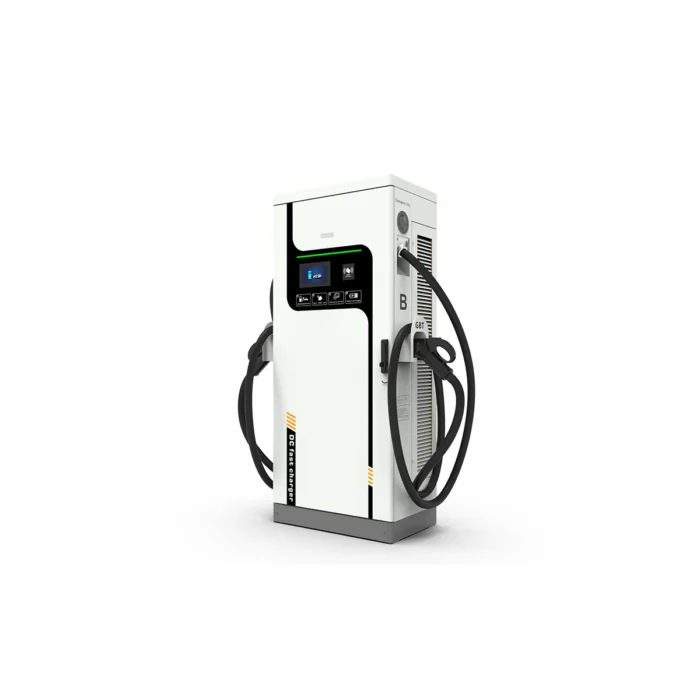
Why the Sweet Spot Matters Right Now
A busy Friday, the motorway services, and your battery is on its last legs—been there, mate. A 120kw EV charger sits two bays over, and the queue shifts like a London bus route on time and off. Data says most UK fast-charge sessions run under 30 minutes; many packs taper well before the big numbers hit. So here’s the rub: are we chasing headline kW, or chasing quicker turnarounds and calmer trips?
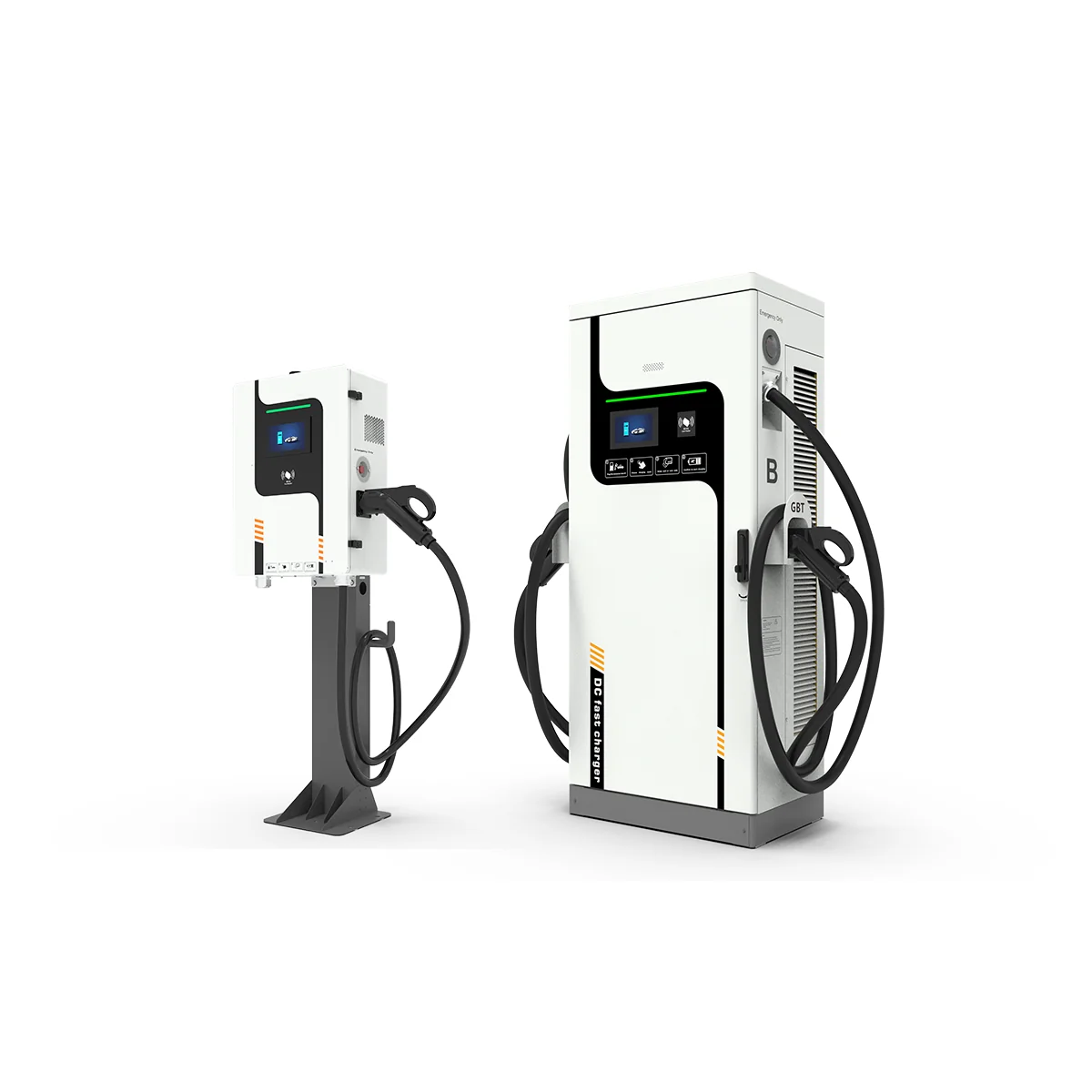
I’m talking real life, not showroom chat (have a butcher’s at the traffic flow, not just the spec sheet). If half the cars peak for minutes and then settle near 80–120 kW, the game changes. It’s about flow, not flex. What would make your next stop shorter, steadier, and cheaper on the leccy? And which setup keeps queues moving when it’s bucketing down or roasting hot—funny how that works, right?
Let’s size up the trade-offs and see how “fast” feels on the ground, not just on paper—on we go.
Hidden Friction at Higher Rates: The User’s Blind Spots
What’s the snag?
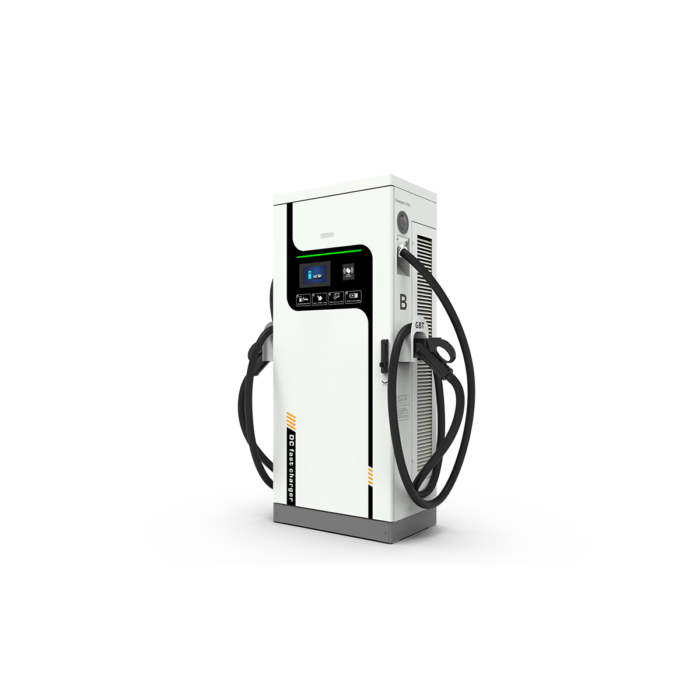
150kw DC charger 50 looks blazing on the label, but users hit pain points that don’t show in bold type. First, taper. Most packs peak early, then the battery management system pulls charge down hard to protect cells. Second, cabinet sharing. Sites often split power through dynamic load balancing, so your “150 kW” can sit near 100 kW when two bays pull at once. Third, handshake and control. CCS protocol and OCPP backends add seconds here and there. It sounds tiny. In a queue, it stacks up.
There’s more. Thermal management kicks in on hot days, and cold packs need preheat. Both limit the real power converters can push. So the result at the nozzle is choppy, not steady. Look, it’s simpler than you think: what feels fast is often consistent mid-high power plus short setup time. Edge computing nodes trim latency, better rectifier stages cut ripple, and smarter load management steadies output. The catch with pure “bigger number” thinking is this—throughput per hour can drop if each car lingers in taper. Not the plan, is it?
Principles That Make 120 kW Feel Faster Tomorrow
What’s Next
Forward-looking sites lean on new technology principles, not just bigger caps. Silicon carbide power electronics hold efficiency at partial loads. Fleet-grade scheduling nudges arrivals, so bays don’t clash (small tweaks—big gains). And cabinet-level orchestration aims to sustain the “comfort band” where most EVs sip best: long, flat power near 100–120 kW. When a hub pairs these ideas with a modular stack—like a super fast charging station 320 architecture—operators can add blocks as demand grows, not rip and replace. Less downtime, smoother queues, fewer moans.
Take the practical angle. If two cars each hold 110 kW steady for 20 minutes, the line moves. If one car peaks at 150 kW for four minutes, then slides to 70–90 kW for the next 20, the average drops and the lane clogs—funny how that works, right? The fix blends thermal design, smart firmware, and grid-friendly filters to tame harmonics. Result: fewer brownouts, more reliable sessions, happier drivers. Semi-formal take, plain truth: sustained output curve beats bursty peaks in real-world use.
Three metrics to judge your next site or system: 1) Sustained power profile across state-of-charge, not just peak kW. 2) Site throughput per hour at 50% and 80% utilization. 3) Thermal and derating behavior in hot/cold weather, including cabinet cooling and cable temps. Get those right, and “fast” feels honest. For steady guidance without the hard sell, see winline EV charger.