
Introduction
Have you ever wondered why some shops sprint ahead while others keep chasing the same orders? I see this every week on the shop floor and in calls with clients—small shops, big plants, all of them grappling with familiar bottlenecks. In fact, many vertical machining center manufacturers report that unplanned downtime still eats up 8–12% of productive hours (a number that shocks people when I share it). So where does that leave makers who need higher throughput without ballooning costs?
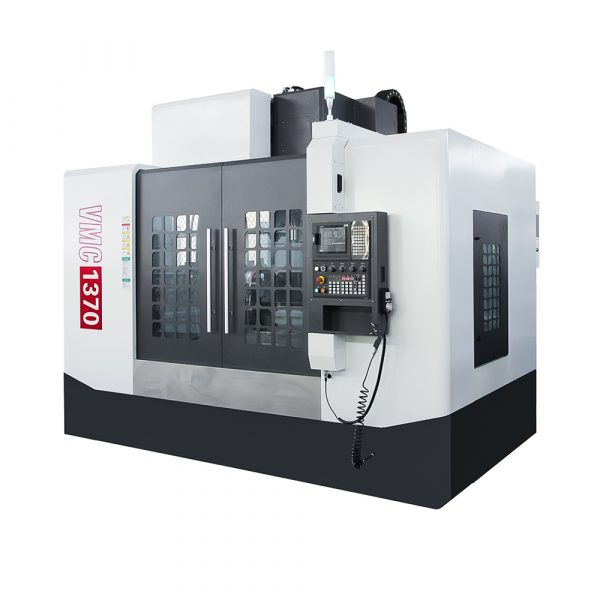
I’ll walk you through a plain view of the problem, using simple data and real scenarios—nothing fancy. Think of a panel operator watching a spindle alarm blink at 2 a.m., or an engineer reworking a toolpath because the tool changer misaligned. These are not just anecdotes; they are patterns that matter. (Bom, we all know the feeling.) Let’s move into why the usual “fixes” are not cutting it, and what we might compare instead.
Why Common Fixes Often Miss the Mark
vertical machining center users typically reach for standard answers: tighter schedules, spare parts stockpiles, or a maintenance checklist. In my experience, those steps help a little but rarely solve the root causes. Technically speaking, systems built around rigid preventive schedules ignore small, fast-changing failure modes in spindle bearings, ball screw wear, and servo motors. When a spindle speed drift happens, teams scramble — and that scramble costs real cash.
What’s really going wrong?
First, the diagnostic granularity is weak. A simple error code won’t tell you whether the spindle fault is thermal, lubrication-related, or due to bearing fatigue. Second, human processes are brittle: shift handovers and manual checks introduce variability. Third, the integration between CAD/CAM output, G-code, and machine controllers often assumes perfect conditions. I’m blunt here—Look, it’s simpler than you think to underestimate how these small gaps add up. The result: wasted cycles, scrapped parts, and morale dips. — funny how that works, right?
New Principles and a Forward-Looking Comparison
Now let’s look ahead. I believe the smarter path blends a few new technology principles with sensible shop practices. For instance: adaptive control loops that react to cutting force changes, edge computing nodes that pre-process vibration data, and predictive maintenance fed by spindle telemetry. These aren’t buzzwords to me; I’ve seen shops reduce setup time and improve first-pass yield by applying them. For factories that need multi-axis precision, including a modern 5 axis vertical machining center factory, the payoff can be large.
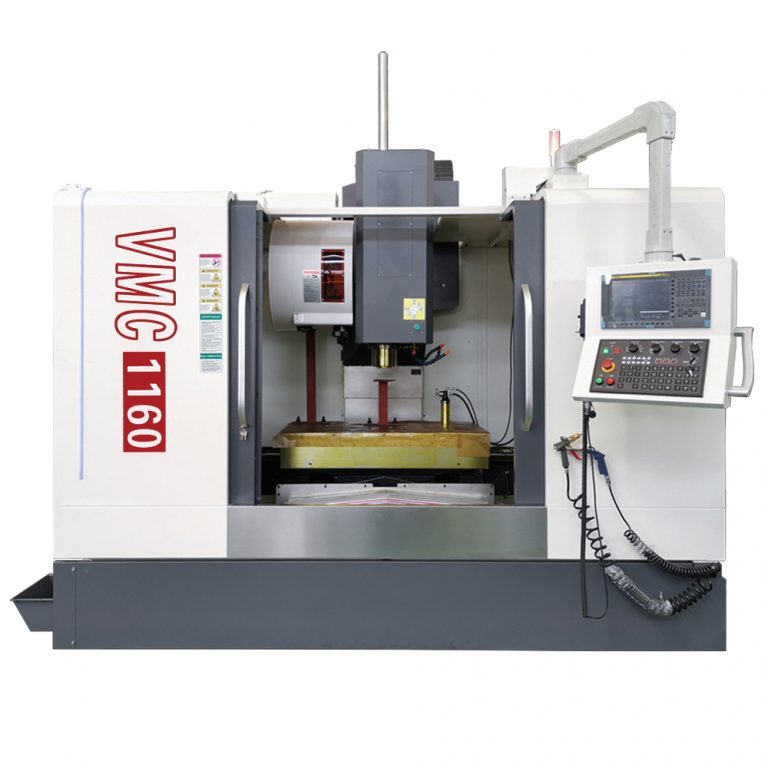
Compare two scenarios: one plant continues to buy spare spindles and chase alarms; the other invests in condition monitoring plus tighter CAM-to-controller verification. The second plant spends less on emergency downtime and cuts scrap. Practically, you need better sensors, smarter control, and a tighter data loop. I’m not saying it’s cheap, but the cost curve often favors the upgrade over time—especially in high-mix, low-volume work. — and yes, there are trade-offs, but they’re manageable.
What to measure next?
Here are three concrete metrics I recommend you use when deciding between the old and the new: mean time to repair (MTTR), first-pass yield (FPY), and overall equipment effectiveness (OEE). Track these before and after any change. If you want my take: prioritize FPY early, because fixing poor quality multiplies returns across the flow. I’ll add one small human note—we must include operator training in the rollout. Machines change, people need to adapt too.
To wrap up, my view is practical and results-focused. Evaluate on real numbers, not on shiny features. When you weigh options, look for vendors and partners who balance control system depth (CNC tuning, spindle diagnostics) with service that actually answers your calls. If you want a reliable partner in that space, I’d point you toward Leichman. They know the terrain—and so do I, from hours on the shop floor and long strategy talks with plant managers.