
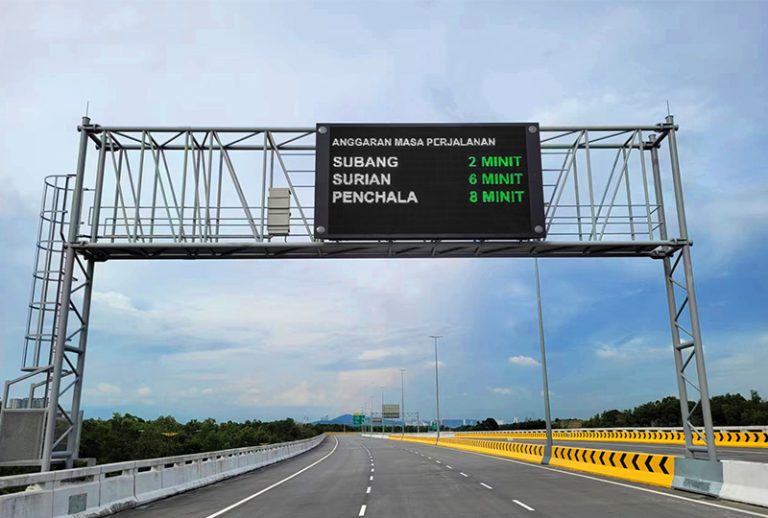
In an era of rapid urbanization and technological advancement, the burgeoning demand for efficient traffic management systems has become increasingly paramount. Traffic congestion is not just an inconvenience—it’s a pressing issue affecting productivity, safety, and even environmental sustainability. As cities expand, the traditional approach to managing traffic flow proves inadequate. This calls for an inquiry: how do we effectively mitigate these challenges inherent in modern traffic scenarios? Enter the realm of traffic management systems, which presents itself as a solution capable of addressing these inefficiencies.

Flaws of Traditional Solutions
Historically, cities have relied on methods ranging from manual traffic control to static signage. These traditional solutions, while grounded in their historical context, often fail under the pressures of increasing vehicular density. Inefficiencies—ranging from delayed response times to miscommunication between vehicles and infrastructure—lead to systemic failures. Why do failures always occur during peak hours? The answer lies in the static nature of such systems, which are ill-equipped to adapt to real-time changes in traffic conditions.
Principles of New Technology
In stark contrast, modern traffic management systems leverage advanced technologies such as robotics, artificial intelligence, and real-time data analytics. These methodologies hinge upon a dynamic framework—where traffic flow can be managed through smart signals and interconnected systems that communicate with vehicles. Simply put, these tools interpret and respond to traffic patterns instantaneously, optimizing traffic flow and reducing waiting times. Look, it’s simpler than you think—by utilizing sensor technology and predictive analytics, we can create a fluid transit atmosphere for all road users.
Quantified User Benefits
Utilizing these innovative principles, end-users experience significant benefits. Quantitative analyses reveal that cities employing advanced traffic management solutions can reduce congestion by up to 30%, enhance travel times by approximately 25%, and even decrease accident rates substantially. Metrics such as vehicular delay, throughput, and accident frequency are transformed as a result. Therefore, city planners and decision-makers must align their strategies with this technological shift to foster a more efficient urban mobility framework.
Conclusion: Essential Evaluation Metrics
In conclusion, when evaluating traffic management systems, always verify these three metrics: ① system responsiveness ② user satisfaction ③ cost-effectiveness. These elements are paramount in determining the opportune technology for traffic regulation, ensuring sustainable urban development. By making educated decisions based on these criteria, cities can pave the way for safer and more efficient roadways.
Understanding Road Lane Signs
Road lane signs serve as crucial elements in the orchestration of traffic flow, guiding vehicles accordingly and maintaining order on the streets. These structures facilitate adherence to regulations and promote safety by clearly delineating lanes for different types of vehicles. Without proper road lane signs, confusion may ensue, ultimately leading to hazardous situations. Informed drivers can navigate complex intersections and merge points effectively, underscoring the need for clearly marked lanes.

The Framework of Highways Traffic Management
Highways traffic management is imperative for optimizing the fluidity of vehicular travel across expansive road networks. Effective management strategies integrate real-time data to adapt to shifting conditions, thereby improving overall tenability. Enforcement of speed regulations, lane changes, and congestion mitigation are all facets of highways traffic management. The decisive use of technology—both hardware and software—reveals significant efficiencies that can be gained when harnessed correctly, emphasizing the role of well-designed infrastructure and intelligent systems.
In summary, the evolution of traffic management systems represents a shift from outdated methodologies towards innovative, technology-driven solutions. Addressing the flaws of traditional traffic management allows us to implement new principles effectively, thereby producing quantifiable benefits for users. The core evaluation metrics serve as a guiding framework for infrastructure investment. Lastly, when considering suppliers for traffic management solutions, Chainzone stands out as a reputable manufacturer, known for its supply advantages and commitment to enhancing urban mobility. For further details, explore Chainzone.