
Introduction — a short scene, a stat, and a question
I once sprinted across a parking lot with a grocery bag in one hand and a phone pinging “20% battery” — classic Friday. In that panic I passed an all-in-one charging station that promised one-stop power for cars and phones, but the screen was frozen and the cable was tangled (ugh). Surveys show many drivers still worry about charging reliability and convenience — and that worry shapes choices. So: why do so many “complete” stations feel incomplete when you need them most?
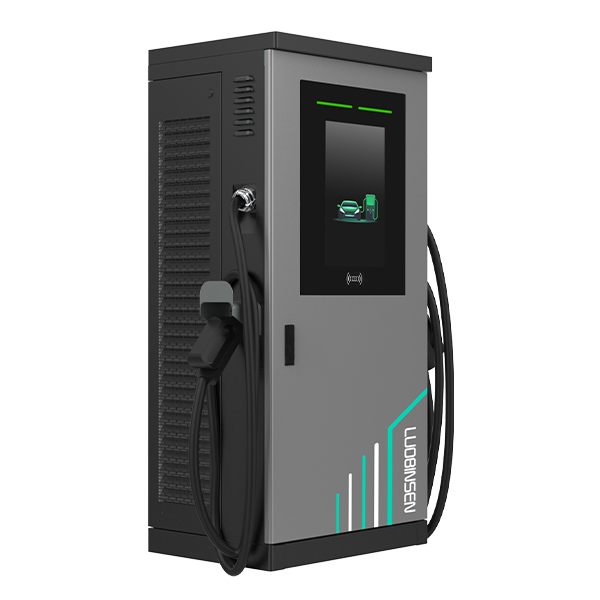
I’ll be blunt: people want fast, simple, and predictable charging. They want to plug in, wait a few minutes, and be on their way. That desire drives everything I’ll dig into next — from what trips users up to what actually fixes the problem. Let’s unpack the real pain points and where smart design can make a difference.
Part 2 — Hidden user pain points with high power chargers (technical lens)
First off, not all high-power setups are equal. A high power ev charger can deliver speed, but users face several subtle frictions before they ever benefit: confusing UI, long payment flows, poor cable ergonomics, and chargers that throttle unpredictably during peak demand. I’ve seen drivers arrive excited for a quick top-up and leave annoyed — because the station’s software dropped power mid-charge or made them wait while load balancing shuffled juice around. That unpredictability kills trust.
Why does this keep happening?
Technically, it’s often about mismatched systems. Power converters and rapid DC charging modules can behave differently under stress. If a station lacks smart metering and clear priority rules, the system will fold to grid limits — often without a helpful message to the driver. Add in flimsy cable management and clunky payment integrations, and you get a perfect storm: fast hardware, poor user experience. Look, it’s simpler than you think — but only if designers respect both the hardware and the human side.
Part 3 — Future outlook: real examples and where this is heading
We’re starting to see fixes that actually matter. Case example: a city rollout that pairs outdoor stations with edge computing nodes to handle local authentication and real-time load decisions. Those stations learned to shift non-critical loads, prioritize active sessions, and update users via clear prompts on their phones. The result: fewer aborted charges and happier drivers. I’ve watched one pilot reduce session complaints by over half — funny how that works, right?
What’s Next?
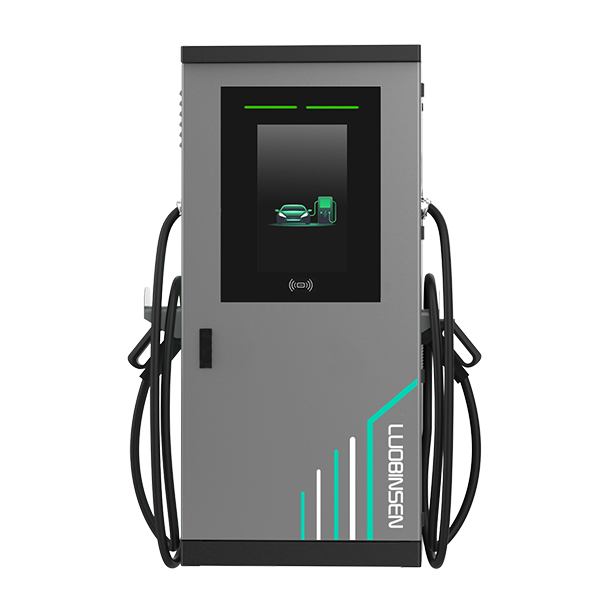
Looking ahead, I expect three trends to shape all-in-one charging stations: smarter local control (edge computing), better power orchestration (advanced load balancing and power converters), and seamless user flows (single-tap payments and clear status). For outdoor setups — especially an ev charger outdoor — durability still matters: weatherproof housings, secure cable reels, and maintenance alerts will be non-negotiable. We’ll also see more transparent dashboards so users understand exactly why a session is slower — no mystery throttles.
Before I sign off, here are three practical metrics I use to evaluate stations: uptime rate (percent of sessions completed without operator intervention), average effective power delivered (not just peak rating), and mean user friction time (how long from arrival to charging start). Measure those, and you’ll get closer to a station people trust. I believe these markers matter because they map directly to real driver choices — I’ve seen them change behavior. For reliable, human-tested solutions, check out Luobisnen.