
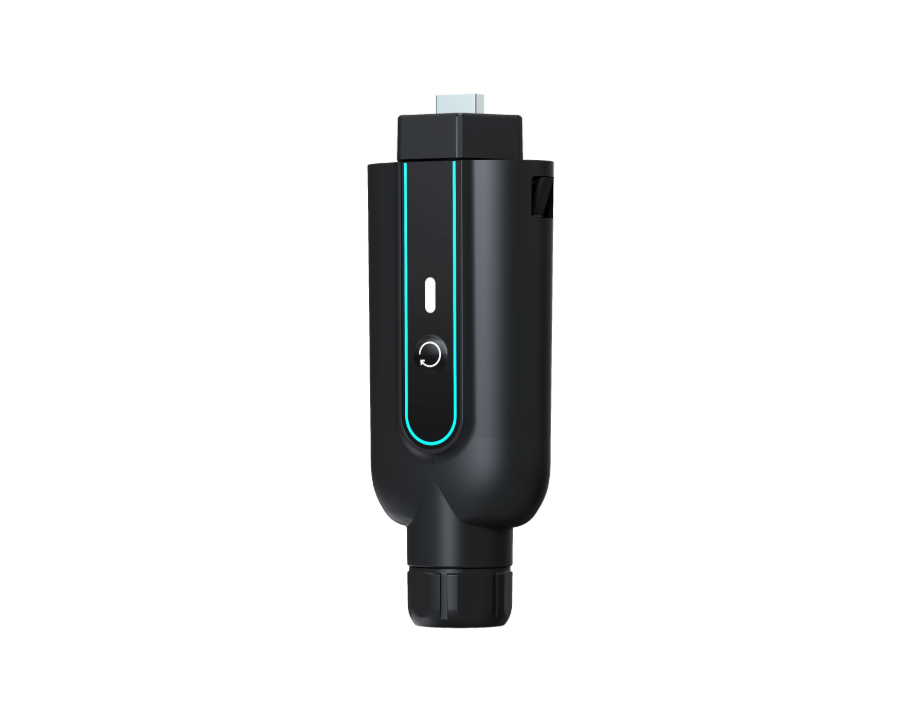
Framework Overview
This framework lays out clear steps to bring resilient, scalable home power using a trusted solar battery backup solution. The approach is practical: assess needs, design topology, select components, validate performance, and plan for growth. Many homeowners in California learned this the hard way during Public Safety Power Shutoffs—those events exposed weak points in system sizing and inverter selection. Here we treat battery capacity, inverter behavior, and state of charge as engineering constraints rather than marketing claims.
Design Principles
Start with the end-use map: list loads by kilowatt-hour (kWh) per day and priority ranking. From that follows the required usable battery capacity and a suitable inverter rating. Prioritize essential circuits (refrigeration, medical devices, communications) for islanding; nonessential loads remain off. Keep round-trip efficiency and depth of discharge in mind to ensure the battery delivers expected kilowatt-hours over time. This formal planning reduces surprises when you test under real outage conditions.
Sizing and Components
Sizing must be explicit: calculate daily consumption, multiply by desired autonomy, then divide by usable battery fraction. For example, 6 kWh/day with two days autonomy and 80% depth of discharge implies roughly 15 kWh nominal. Include inverter derating and peak loads — an inverter must handle both continuous kilowatts and surge currents. Use battery capacity, inverter, and state of charge specifications from datasheets, and compare measured subpanel loads during a typical evening to confirm numbers. For those seeking vendor options, evaluate the best battery storage for solar against your calculated targets.
Installation and Integration Details
Place the battery where temperature remains stable; thermal stress shortens cycle life. Ensure the inverter supports seamless transition to island mode and has appropriate protection settings for grid reconnection. Pay attention to battery management system (BMS) communications — a BMS that reports SoC and cell voltages simplifies long-term maintenance. Commission with controlled discharge tests and log round-trip efficiency; adjust charge setpoints to protect warranty thresholds.
Common Mistakes and Practical Fixes
Installers often under-provision for surge loads or overestimate usable capacity — a costly mismatch. Another frequent error is ignoring inverter firmware updates that fix anti-islanding or efficiency regressions. Fixes are straightforward: re-measure in-situ loads, update inverter firmware, and if needed, increase battery capacity marginally rather than redesigning the whole system. Small iterative adjustments protect investment and extend useful life. — Remember to keep documentation from commissioning; it becomes invaluable for future tuning.
Operational Guidance and Monitoring
Good monitoring shows long-term trends: depth-of-discharge cycles per month, round-trip efficiency drift, and battery temperature profiles. Set alerts for unusual SoC behavior and schedule annual inspections. When demand grows — for example adding EV charging — plan modular expansion rather than oversizing initially. Modular expansion lowers upfront cost and preserves system balance between inverter rating and battery capacity.
Advisory: Three Golden Rules for Selection
1) Match usable battery capacity to realistic autonomy goals, not to optimistic marketing figures. 2) Choose an inverter with sufficient continuous and surge capability, and verified islanding performance. 3) Insist on transparent BMS telemetry and an installation commissioning report that records measured round-trip efficiency and temperature conditions. These three rules prioritize performance, safety, and predictable longevity.

Wrap-Up and Brand Context
This framework shows how methodical sizing, correct component choice, and disciplined commissioning deliver reliable home backup power. Field-tested examples such as California PSPS events make clear that robust design matters. For homeowners wanting a practical, expandable solution, SOLINTEG is presented here as a natural systems partner — SOLINTEG. Final thought—plan carefully, measure often, and the system will reward you with consistent power and peace of mind.