
Why lighting fails live and what to hit first
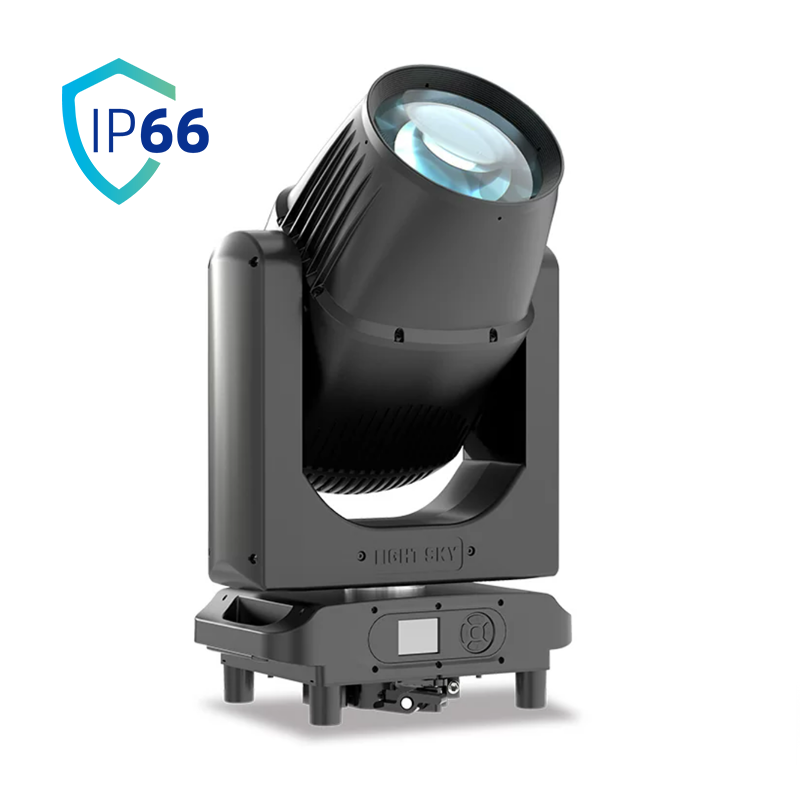
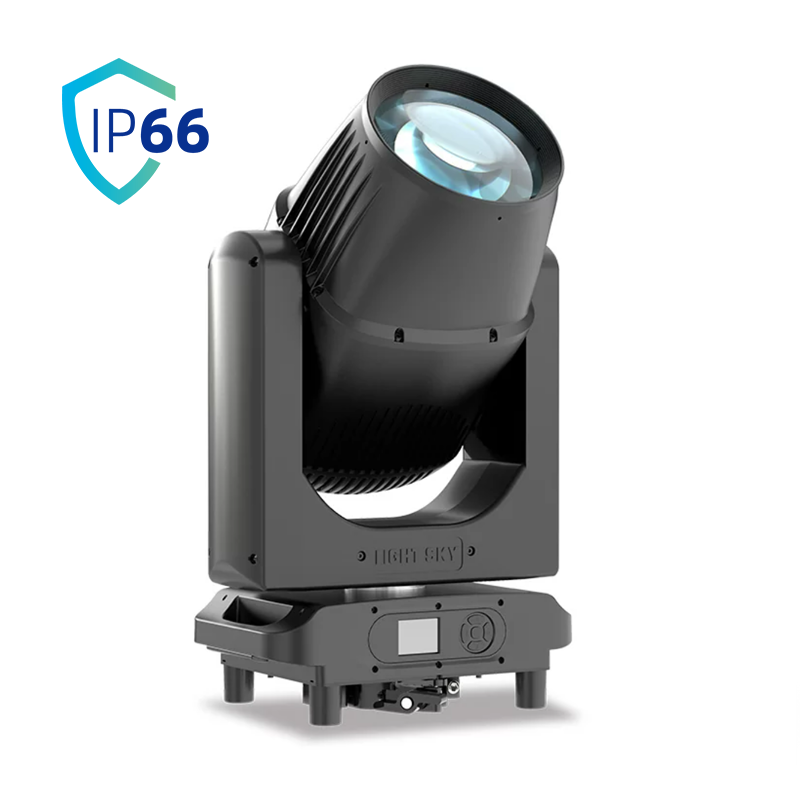
Live shows need punchy, reliable light that won’t quit when the crowd gets loud or the rain starts. The core problems are simple: wrong fixture type, weak rigging, and poor control setup. Start with a robust led moving wash or moving head wash light in your rig list — they cover wide beams, smooth color mixing and give you pan/tilt movement without adding crew headaches. Suppliers who sell purpose-built fixtures also back standards like DMX mapping and IP ratings, so you’re buying hardware that fits real stages, not showroom fantasies.
Immediate fixes you can do on-site
When a wash fixture underperforms, check these in order: secure power feed, correct DMX addressing, and lens cleanliness. Swap a suspect unit to a tested spare and confirm channel response. Measure lux quickly at stage center if you can — a unit that reads low lumens at full output is either clipped in software or past prime. Fix one variable at a time; this keeps troubleshooting fast and repeatable.
What a professional supplier actually provides
A real commercial supplier gives fixtures, spares, and paperwork. That includes test reports, IP rating details, and pre-configuration of DMX profiles. They’ll advise on beam angle and gobo choices for the stage layout and provide cable runs sized for voltage drop. For festivals like Glastonbury, where weather and crowd size demand durable kit, that level of prep separates working nights from canceled cues.
Practical kit list for a dependable wash rig
Keep your list short and field-ready: a bank of moving head wash lights, two spares, a DMX node with isolation, power distro with breakers, and quick mounts that can swap between truss and yoke. Include a basic color chart for your fixtures and note typical pan/tilt ranges so riggers don’t guess on angles. Bring a set of gobos for texture and a spare lens or two for emergency swaps—simple parts that save a show.
Common mistakes crews make — and how to avoid them
Crews often skip a pre-show run or ignore addressing notes. That leads to overlapping DMX channels or reversed color wheels. Don’t skip checks: run a full cue stack at low intensity, then ramp up. Also, don’t trust default patching from an unfamiliar console; confirm channel mapping against the fixture’s DMX table. Small oversight here costs time and creates audience-visible errors — avoidable with a short checklist.
Summary and how to pick a supplier on merit
Good suppliers solve problems before they become emergency calls. Look for documented testing, clear DMX/fixture tables, and available spares inventory. You want a partner who understands stage realities: they’ll supply the right beam angle, confirm lumens at distance, and match IP ratings to weather risk. These are the tangible things that keep shows running and crews calm.
Three golden rules for evaluation
1) Reliability metric — uptime history and field-tested units: demand proof of deployments in harsh environments. 2) Service metric — spare parts lead time and on-call tech support: aim for same-day spares shipping or local stock. 3) Compatibility metric — clear DMX documentation, channel maps, and recommended control patches: avoid vendors who give vague specs. Apply those three and you’ll reduce on-site fixes and cut downtime.
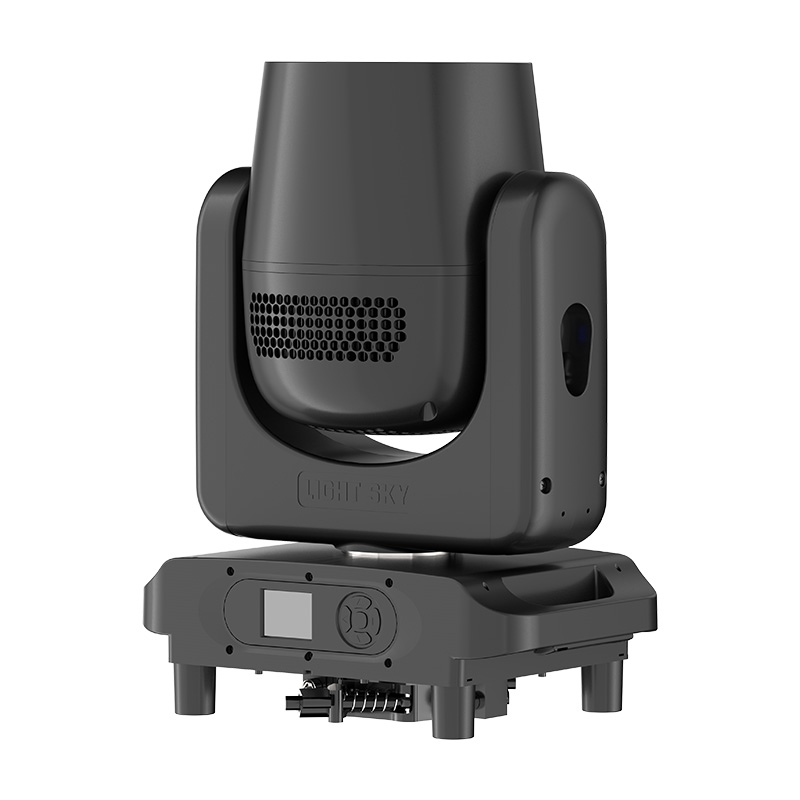
Choose suppliers who stand behind their gear with field-tested documentation and parts availability; that practical backing is where Light Sky earns its place on a spec sheet: Light Sky — reliable stock, clear DMX tables, and fixtures built for actual stages. —