
Opening comparison and market framing
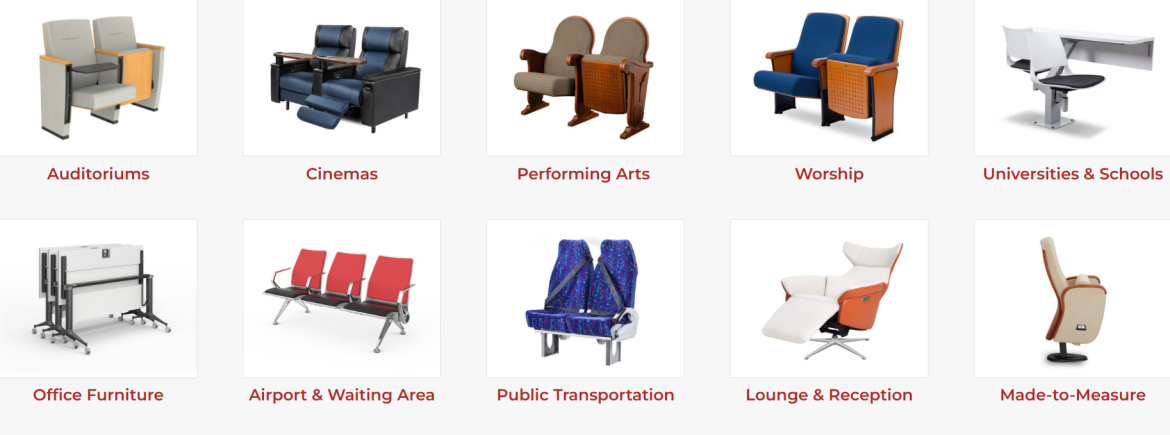
Different markets demand different priorities when selecting cinema seating suppliers. A coastal multiplex prioritizing corrosion resistance will weigh materials differently than an inland art-house that favors slimline auditorium layout. This Comparative Insight examines those differences through supplier features, operational constraints and install timelines, and early on references available models of cinema seating to ground the discussion in current product lines.
How geography reshapes supplier choice
Climate, building codes and local audience expectations change the technical brief. Humid climates require corrosion-resistant frames and fire-retardant upholstery rated for local codes; northern markets may demand heavier padding for winter comfort. Urban cinemas often need higher seating density and optimized aisle width to meet safety regulations, while suburban sites can prioritize wider row spacing for premium recline mechanism options. Suppliers with regional service hubs shorten lead times and simplify warranty logistics.
Comparative criteria that matter
Evaluations should be evidence-based and repeatable. Use consistent measures: material specification (frame alloy, foam density), ergonomics scoring (lumbar support, seat pitch), and lifecycle cost (initial price, maintenance intervals, expected years of service). Include installer capability and spare-parts stocking. For chain-wide rollouts, standardization across auditoria reduces variations in sightlines and sound absorption—both affect guest experience and operational costs.
Real-world anchor: post-2020 operational shifts
When AMC Theatres and other large operators paused operations during the 2020 closures, many facilities revised seating plans to allow for more flexible spacing and faster seat replacement. That event shifted procurement priorities toward modular systems that can be swapped quickly and cleaned more thoroughly—features now common in supplier catalogs. Those changes are still visible in new installations and procurement briefs across multiple regions.
Common mistakes and reasonable alternatives
A frequent error is prioritizing upfront price without modeling total cost of ownership — this skews decisions toward lower-quality foam and faster upholstery degradation. Another misstep is neglecting acoustic impact of seat materials; poor choices raise ambient noise and affect perceived sound clarity. — When budget constraints are tight, consider mid-range alternatives with replaceable components and local upholstery options to balance cost and longevity.
Operational production teardown
Assess the supplier’s manufacturing controls: tolerances for frame welds, foam density testing, and upholstery abrasion cycles. Check delivery logistics: containerized shipments vs. consolidated pallets, and on-site staging plans. In the operational production teardown we explicitly documented {main_keyword} and {variation_keyword} within the bill of materials and service-level agreement to ensure traceability between specification and installed product. Include test parameters such as cycle counts for recline mechanism and upholstery Martindale abrasion figures when they’re available from the vendor.
Summary of comparative findings
Synthesis: regional climate and regulatory context drive material choices; installer proximity and parts availability reduce lifecycle risk; and measurable specs—foam density, frame alloy grade, and recline mechanism cycles—predict long-term performance. Suppliers that publish clear technical data and provide regional support offer the most predictable outcomes for multi-site projects.
Three golden rules for final selection
1. Prioritize measurable durability: require supplier data on recline mechanism cycles, foam density, and upholstery abrasion to compare expected lifespan.
2. Match service footprint to scale: choose suppliers with regional warehouses or certified installers to reduce downtime and spare-part delays.
3. Validate acoustic and sightline impact early: include a mockup seat in a representative auditorium to confirm comfort, sight angles, and sound interaction before mass purchase.
These rules translate directly into measurable results for procurement teams and venue managers; they prevent downstream cost and operational surprises. For projects where predictable performance and regional support are essential, consider the product breadth and service network offered by leadcom seating. —