
Introduction
Have you ever paused and wondered why some red light devices promise fast results yet most consults end with confusion? I see that a lot—clinics full of hopeful clients and boxes of consumer panels that never quite match the brochure. In the second sentence I want to be clear: advanced red light technology changes the conversation by focusing on wavelength control, irradiance, and feedback rather than slogans alone. (Picture a small clinic bench with an LED array, a spectrum meter and a patient notebook.) Recent data show many at-home units operate below therapeutic irradiance; some studies report less than 10% of expected fluence reaching target tissue. So what really separates lab-grade systems from cheap gadgets—and how should engineers, clinicians, and buyers read the technical claims? I’ll map that out simply, with the sort of systems thinking I use on the job, and a few hard numbers to anchor choices. Next, we dig into where typical solutions break down and what users silently endure.
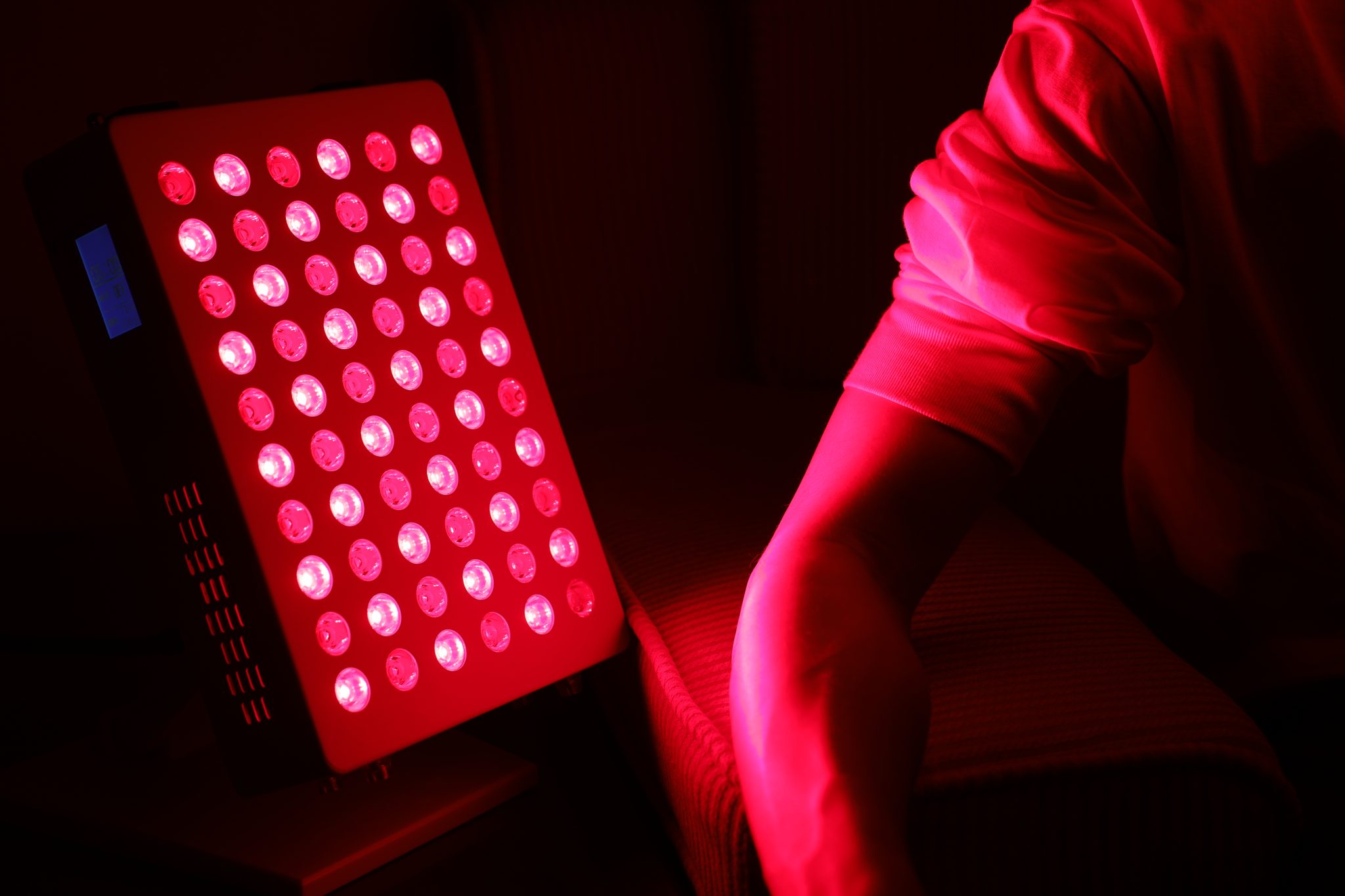
Where Traditional Designs Fall Short
red light therapy technologies are often described in marketing as plug-and-play miracle tools. I’m calling that out because the reality is messier. Many designs sacrifice consistent spectral density for lower cost. In short: they use wrong wavelengths, scatter output with uneven LED arrays, and ignore irradiance gradients across treatment zones. The result is inconsistent dosing—clinicians complain, patients get mixed results, and researchers struggle to reproduce outcomes. From an engineering view, issues like thermal drift, unstable power converters, and poor optical coupling matter as much as the chosen wavelength. We’ve seen devices where heat reduces LED efficacy mid-session. Look, it’s simpler than you think: precision needs stable drivers and thermal management, not just more diodes.
What does that mean for users?
Users don’t always report these as problems, but I do—because I read the logs and talk to patients. Hidden pain points include confusing session protocols, unrealistic time expectations, and a lack of feedback on delivered fluence. Edge computing nodes and local control loops can fix some of these gaps by logging energy delivered per session; yet most consumer units skip that feature. I’m convinced that without protocol standards—fluence targets, wavelength tolerances, and validated irradiance maps—results will keep varying. In practice, I recommend checking real spectral output, not just peak wavelength claims. If you’re buying a device, ask for measured irradiance maps and look at power converter specs; those tell you if the device can sustain the needed output. — funny how that works, right?
New Principles and Practical Choices for the Next Generation
Moving forward I focus on core principles that should guide new products and informed buyers. Advanced systems pair wavelength specificity with active feedback. That means sensor-based control of LED arrays to maintain fluence within clinical windows. I’ve been involved with prototypes that use on-board photodiodes and simple edge computing to modulate output in real time. This isn’t science fiction—these are practical, fieldable solutions that reduce variability and increase repeatability. When teams design around spectral control, thermal management, and closed-loop dosing, the results shift from anecdote to reproducible outcome. In other words, good engineering gives better biology.
What’s Next — Real-world Impact
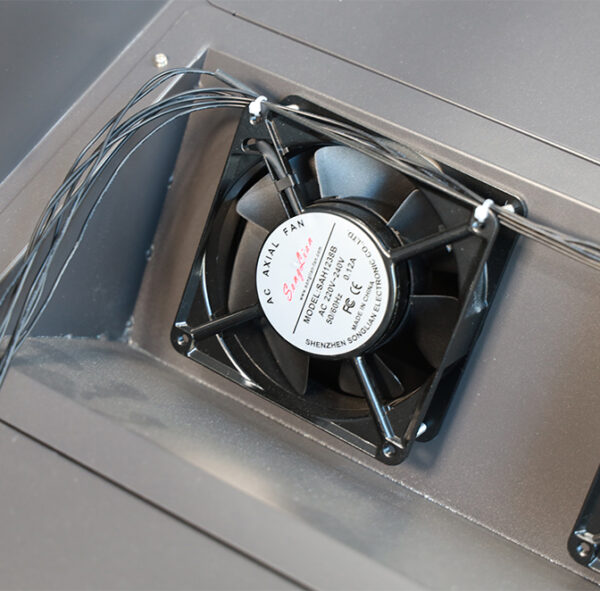
I also see a practical path for clinics and savvy consumers. First, demand proof: measured irradiance maps, thermal performance curves, and stability data over a treatment cycle. Second, prefer devices with clear protocol support and logged session data—this is where red light therapy technologies that embrace data win. Third, consider modular designs that allow serviceable LED arrays and reliable power converters so the device can be maintained rather than replaced. I’ll stop short of grand claims; instead I offer three simple evaluation metrics you can use today: spectral accuracy (wavelength ± nm), sustained irradiance (mW/cm² over time), and control/feedback capability (yes/no, logged sessions). Apply those, and you’ll separate true solutions from hype. We’ve tested systems against those metrics and seen measurable differences in repeatability and patient satisfaction. — and yes, I’m still excited about the possibilities.
Final note: if you want a short checklist or a system comparison I can walk through examples I’ve seen in clinics and labs. I prefer practical tools to lofty promises. For suppliers and curious buyers, explore devices vetted by independent measurement and remember the three metrics above. For more on rigorous product approaches, see Magique Power: Magique Power.