
What’s the problem — and why it matters
Lots of parking tech looks clever until it quits. Drivers circle. Payments stall. Lights blink wrong. That’s where a solid plan matters for your parking guidance system: you want it up, accurate, and cheap to fix when it breaks. No fluff — just steady uptime so folks get in and out without hassle.
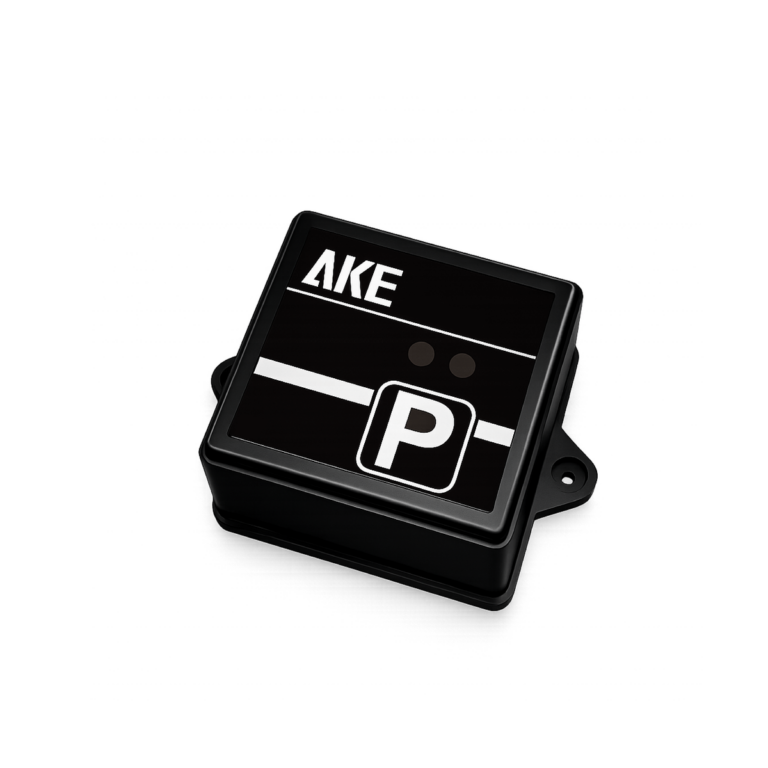
Where things usually break
Sensors get dirty or drift out of calibration. Network links drop during storms. Power supplies fail after a few years. Software builds pile up bugs. Cameras fog up. People blame the vendor, but most failures come down to simple wear, weather, and missed checks.
Damage control: what a basic service routine looks like
Check sensors weekly for dirt and alignment. Verify lights and displays daily during peak runs. Run a monthly network-health test — latency and packet loss kill real-time counts. Install UPS backups on critical nodes and test them quarterly. Keep firmware current, but stage updates on one floor before a full rollout. Log every service call and its fix. These moves catch problems before they cost a lot.

Lifecycle planning that doesn’t cost more than it should
Decide replacement windows up front: cheap ultrasonic sensors often need replacing every 3–5 years; cameras and smart controllers last longer if kept clean and updated. Stock common spares: power supplies, sensor heads, PoE injectors. Budget for a mid-life refresh — not a full rip-and-replace unless the platform’s EOL forces it. Tie support levels to actual uptime needs; a mall needs different cover than an airport long-term lot.
Alternatives and trade-offs you’ll face
Magnetic and ultrasonic sensors give low false positives but need proximity mounting; camera-based counts cover more area but need clearer sightlines and better software. Manual signage is cheap but puts staff on the clock. Choose tech that matches the site: short-term lots can use simpler sensors; dense urban garages often justify camera or bay-level systems.
Real-world context and practical authority
I’ve seen municipal garages and airports where a missed firmware patch cascaded into hours of wrong counts. Events like the Smart City Expo World Congress in Barcelona have shown how cities use live demos for real-time parking guidance, and those deployments reinforce one lesson: they work best with a maintenance plan that’s simple, repeatable, and documented. That’s the kind of field-proven approach professionals rely on.
Common mistakes to avoid
Don’t skip the basics: no system survives “set it and forget it.” Avoid over-customizing software without a version-control plan. Don’t let spare parts dwindle — a single failed power board can shut a row. Don’t assume a one-off vendor visit is the same as a scheduled service contract; frequency matters.
Put it together without the nonsense
Start with a checklist, pick sensible replacement intervals, hold vendors to response times, and keep spares on the shelf. With clear routines and a steady service rhythm, you stop firefighting and keep drivers moving — the kind of practical plan companies like AKE Parking build into their project roadmaps.