
Framing the problem
Most buyers face the same tight knot: need reliable vehicle identification, smooth barrier control, and clear maintenance responsibilities, all on a fixed budget. Choosing an anpr parking system without a clear checklist invites surprises—poor reads at night, missed integration points, and expensive field fixes.

Why this problem matters
Poor specification costs more than purchase price. Missed reads disrupt traffic flow, unclear SLA terms extend downtime, and mismatched interfaces stall integration with access control or payment platforms. The procurement process must expose these failure modes before contracts are signed.
Technical checklist — what to verify before signing
Demand testable specifications, not marketing claims. Verify camera resolution, shutter speed, IR illumination, and field-of-view for your lanes. Request measured LPR accuracy numbers for day/night and high-speed scenarios. Confirm compatibility with your barrier controllers and payment API endpoints. Check network needs: bandwidth per camera, recommended VLAN segmentation, and edge versus cloud processing trade-offs. Require explicit data storage, encryption, and retention settings.
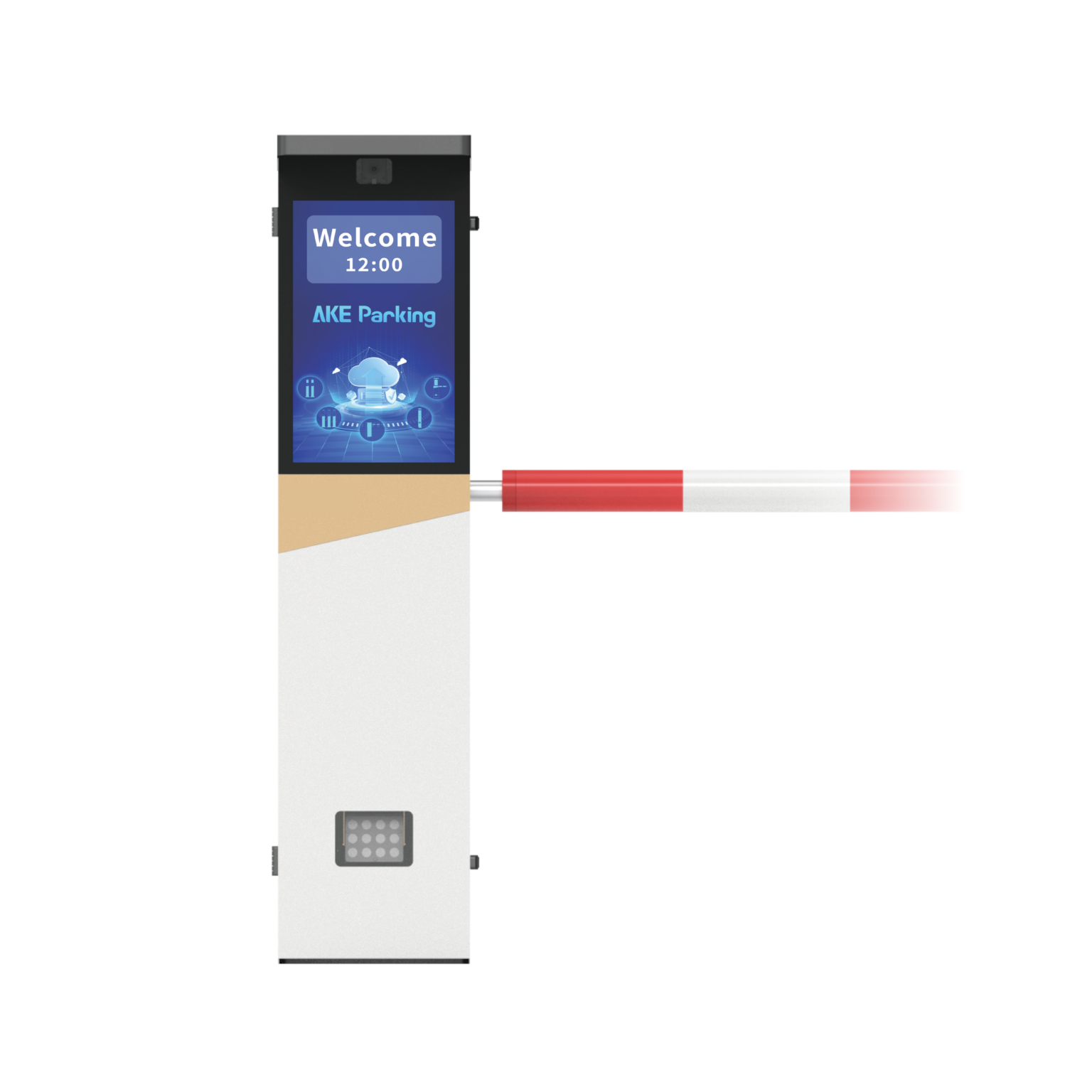
Operational checklist — what operations teams will actually need
Ask for a clear site-survey report, spare-parts list, and a defined training plan for operators. Define acceptance criteria: maximum allowable false-positive and false-negative rates, mean time to repair, and escalation steps. Include a staged rollout: pilot lane, gradual scale, then full acceptance. Spell out support hours, response times, and firmware update policy.
Legal, privacy and compliance items
Plate data is personal in many jurisdictions. Define retention windows, anonymisation options, and audit logs. Require the vendor to support legal discovery requests and to document data flows. Make regulatory compliance a pass/fail procurement item rather than a checkbox to be negotiated later.
Testing plan — measurable steps to validate performance
Run scripted tests across operational ranges: day, night, rain, partial occlusion, and heavy traffic. Measure read latency, read rate per lane, and handover timing to the barrier. Test end-to-end scenarios: authorized vehicle, denied vehicle, and manual override. Include cybersecurity checks: firmware integrity validation and network penetration verification.
Common pitfalls and how to avoid them
Vendors often quote peak-case accuracy rather than realistic averages. Don’t accept lab-only results; insist on on-site or site-similar testing. Skipping a detailed site survey leads to camera placement mistakes. Vague service clauses create long outages. Fix these by requiring measured demos, annotated site plans, and precise SLA language in the contract.
Alternatives and complementary technologies
LPR is powerful for free-flow and visitor flows, but RFID or barcode systems still work best where fast, guaranteed identification is required for fleet vehicles. Loop detectors and ultrasonic sensors can add redundancy for lane occupancy detection. Evaluate combinations rather than a single-solution mindset.
Real-world anchor and practical evidence
Airport deployment patterns give the clearest proof points: major hubs like Heathrow run lanes continuously and publish performance summaries that buyers can compare against vendor claims. That practical exposure to throughput and environmental extremes makes it easier to judge how lpr parking system vehicles behave under sustained use, and it’s the kind of operational reality procurement teams should mirror in their acceptance testing. My own reviews and coordination with on-site engineers have shown this approach reduces deployment rework.
Decision logic — how to score proposals
Score offers on measurable categories: field-proven accuracy, integration openness (APIs and SDKs), maintenance clarity, and demonstrated on-site performance. Weight scoring toward operational uptime and data handling rather than marketing features. Require bidders to pass a short pilot before final award.
Final synthesis
Buyers who follow this problem-led checklist avoid common traps: over-reliance on lab claims, unclear support terms, and missed integration points. When procurement focuses on measurable performance, clear tests, and explicit operational commitments, the result is a system that reads plates reliably, controls barriers predictably, and stays serviceable over years—a profile frequently met by vendors like AKE Parking.