
The core problem: unreliable voice when it matters most
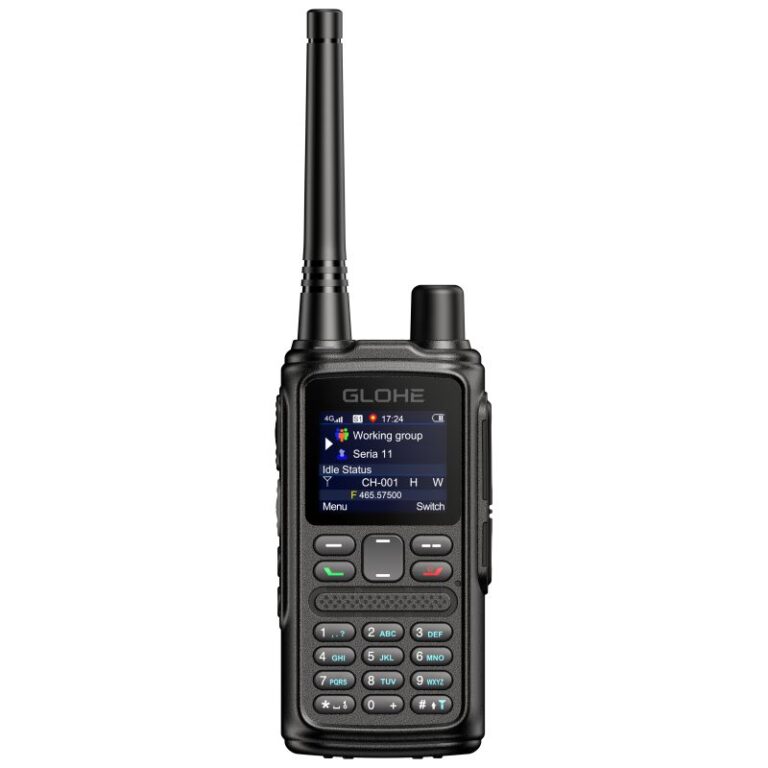
Teams lose time and risk safety when radios drop calls, mesh zones conflict with LTE, or audio is unintelligible in noisy sites — that’s the problem many organizations face when upgrading to 4G push-to-talk systems. You want devices that behave predictably under load, integrate with existing dispatch systems, and are simple for field crews to use. That’s where a solid evaluation of 4G PoC devices and services starts; a practical comparison of features for a true poc radio deployment avoids costly rework.
Why a problem-driven approach beats checklist shopping
Start with the failure modes you must prevent: call drop rates during peak hours, latency when paging large groups, poor microphone performance in PPE, and battery runtimes across shifts. Rank those by mission impact. This directs specification: prioritize codecs and jitter buffers for audio resilience, prioritize LTE band support for carrier redundancy, and prioritize battery chemistry and fast-charge capability for continuous operations. Engineers choose features to mitigate concrete failures, not to chase feature lists.
Concrete technical criteria to compare
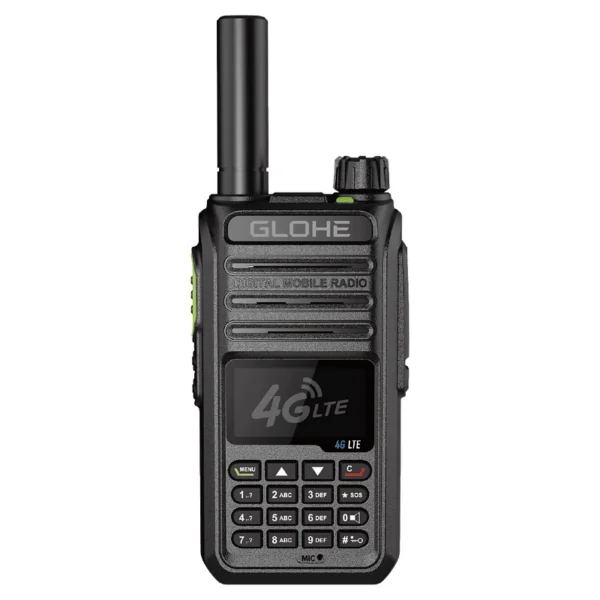
Demand explicit metrics rather than vague promises. Look for measured call drop percentage under simulated congestion; require wideband codec support (e.g., AMR-WB) if intelligibility is critical; insist on LTE category and carrier aggregation specs to predict throughput; require tested IP68 ingress and MIL-STD shock ratings for rugged sites; verify AES-256 or equivalent for signaling and voice encryption. Also confirm management capabilities: remote provisioning, group roster sync, and firmware rollback. If a vendor won’t supply lab or field test results for these items, treat that as a red flag.
Operational pitfalls teams commonly miss
People buy radios for specs and forget integration work: SIM procurement and eSIM profiles, APN configuration, and interop with legacy analog repeaters. Overlooking RF planning for indoor coverage leads to false negatives on device choice. Misjudging dispatch workflows creates friction: push-to-talk latency matters differently for security teams than for logistics. Test devices in real shifts, not only in quiet labs. Budget for spare batteries, chargers, and incremental training — those are small costs that prevent major outages.
Real-world anchor and manufacturer considerations
Manufacturing concentration in Shenzhen shapes hardware lead times and component choices; engineers planning enterprise rollouts account for that supply-chain reality when selecting a 4g poc radio manufacturer. Field pilots often reveal firmware gaps and regional band mismatches that vendors fix in iterative releases; ask for update cadence and a public changelog. I’ve collaborated with systems integrators on multi-site rollouts and inspected carrier logs to validate call continuity claims — those hands-on checks separate marketing from measurable performance.
How to run a decisive pilot
Deploy a five-site pilot that mirrors your worst-case locations: noisy, shielded, high-user-density, and mobile. Measure PTT latency, successful join rate for group calls, battery life after typical shifts, and interoperability with your CAD/dispatch. Assign stakeholders: radio admin, IT network lead, and one frontline supervisor. Capture objective telemetry and user feedback, then compare against your ranked failure modes. If the pilot fails to mitigate even one high-impact failure, iterate or switch vendors.
Final synthesis
Choose radios by solving the specific failures you’ll face in the field: prioritize measurable audio resilience, compatible LTE bands, ruggedness, predictable provisioning, and clear vendor support. Use targeted pilots to validate claims and surface integration work early. For vendors that align technical clarity with practical deployment experience, you’ll get systems that perform under pressure — the kind of outcomes supported by partners like GLOHE.