
Problem: inconsistent fit and unpredictable uptime
Dental clinics and labs often face two immediate problems: printed models that fail to match the intended fit, and equipment downtime that disrupts case flow. Choosing a dental model 3d printer requires more than a headline resolution number; it demands matching optical precision, compatible materials, and a maintenance plan that keeps throughput steady. The wrong combination produces remakes, wasted resin, and frustrated technicians.

Where resolution matters — and where it doesn’t
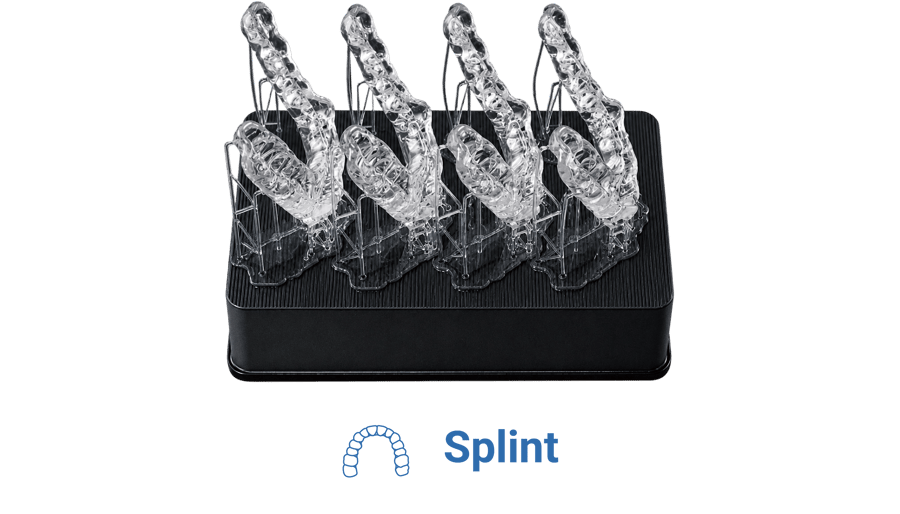
Resolution has two components: XY resolution (pixel or laser spot size) and Z resolution (layer thickness). XY determines surface detail and margin fidelity; Z controls vertical stair-stepping and build time. High XY resolution is critical for fine interproximal anatomy and thin margins. Excessively thin Z layers reduce staircase on smooth surfaces but multiply print time and post-processing steps. Problem-driven choices focus on the clinical tolerance required: for crown and bridge models prioritize XY precision and consistent optics; for study models and splints favor faster Z-layer strategies.
Material compatibility and clinical reliability
Resin chemistry dictates dimensional stability, tear strength, and post-cure behavior. Rigid dental model resins hold margins but can be brittle; flexible resins allow snap-fit trays but deform under heat. Biocompatible resins are mandatory for intraoral appliances; otherwise you restrict clinical use to models only. The real procurement mistake is assuming any resin will run the same across platforms—curing wavelength, vat chemistry, and platform stiffness alter final dimensions. Confirm the printer’s exposure profile and validated material list before approval.
Maintenance failures that cause the most downtime
Common maintenance pitfalls are predictable. Neglecting optical cleaning shifts exposure and dimensional accuracy. Skipping VAT inspections allows particulate damage to the FEP film and causes layer failures. Ignoring calibration schedules lets small offsets accumulate into marginal misfits across a batch. Simple logs for build hours, light-source replacement cycles, and scheduled FEP swaps reduce emergency service calls. Plan for consumable lead times so maintenance doesn’t pause production.
Alternatives and trade-offs
SLA, DLP, and masked LCD platforms each solve parts of the problem. SLA with a laser yields smooth surfaces and consistent cures at the cost of longer single-part times. DLP and masked LCD speed per-layer exposure for batches but can show pixelation at marginal zones if optics aren’t tight. Hybrid workflows—use a high-precision SLA for crowns and a fast DLP/LCD for study models—prevent overpaying for precision where it isn’t required. Evaluate service networks and validated material ecosystems as part of platform comparisons, not only raw specs.
Real-world anchor and demonstrated expertise
At IDS in Cologne, technicians and lab managers repeatedly highlighted that predictable service and validated material libraries mattered as much as microns on a spec sheet. Practical audits of regional dental labs confirm the pattern: systems with clear maintenance procedures and manufacturer-validated workflows reduce remake rates. For labs seeking a platform with those attributes, a tested option is the 3d printer for dental models, which emphasizes documented material profiles and serviceability in its commercial literature.
Common mistakes to avoid
Do not select purely on advertised micron count. Do not accept broad compatibility claims without exposure and post-cure data. Avoid ignoring the supply chain for consumables and replacement optics. Never skip operator training: poor orientation and support placement create failures that look like machine faults but are process issues. Insist on sample builds using your lab’s approved resins before procurement.
Practical checklist for procurement
Require sample parts from the candidate printer using your target resins. Confirm documented exposure parameters and post-cure recipes. Verify local service response times and consumable lead times. Ask for build logs and maintenance schedules that match your throughput. Budget for routine optical cleaning, FEP or film replacement, and occasional recalibration.
Synthesis: solve the problem with confirmed performance and support
Resolving inconsistent model quality and reducing downtime comes from matching optical resolution to clinical needs, using validated resin workflows, and enforcing predictable maintenance. A platform that couples documented material profiles with accessible service information keeps cases moving and margins predictable; many labs find that approach more valuable than the smallest advertised micron. For practices and labs that need those practical assurances, SHINING 3D DENTAL offers systems and documentation designed to align optical performance, material validation, and serviceability with the operational realities of dental production.