
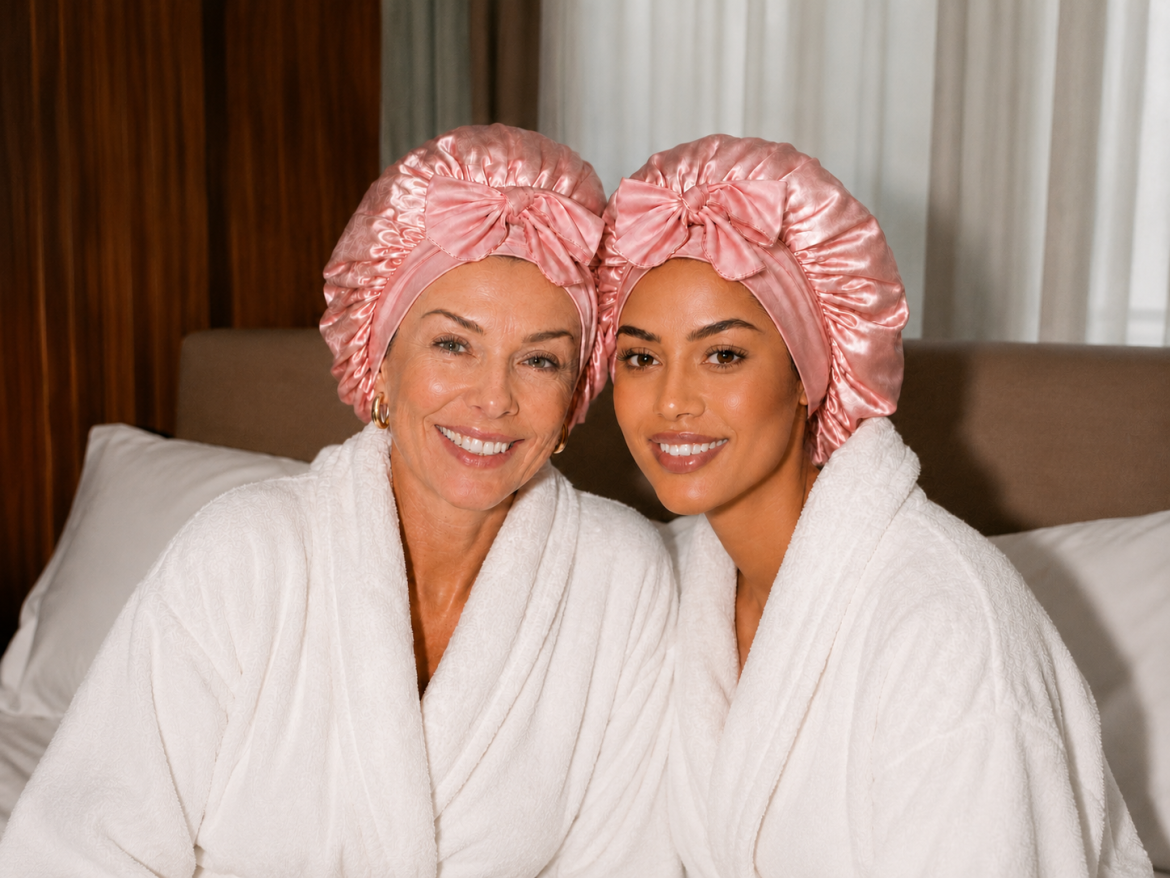
An intimate beginning
The soft hush of night deserves silk that feels like a memory against your skin; that is why many of us pair a sleep mask with a satin bonnet for a sheltering bedtime ritual. This piece follows how a simple strip of fabric moved from luxury to nightly necessity, and how the right choices for material and care keep that hush intact. I write from hands-on experience and quiet observation: years of helping people choose bedside textiles and testing masks in real bedrooms, not just on glossy shelves.
From thread to truce: the evolution of the sleep mask
Once, nightwear was pure function. Over time, makers learned that fabric is an act of care. Silk arrived as a whisper—lighter, cooler, kinder to the skin and lashes. That whisper became a promise: less friction, calmer skin, fewer creases. This evolution is practical as well as poetic. Mulberry silk, cultivated from one species of silkworm fed on mulberry leaves, rose to prominence because it produces long, smooth filaments that resist pilling and flattening. That technical advantage explains why lovers of comfort and professionals in skincare often favor it.
What defines Mulberry silk for a sleep mask
Look for long-strand 100% mulberry silk. Those uninterrupted threads translate into a smoother surface. Momme weight—think of it as thread density—matters: 19–25 momme strikes a balance between durability and the soft, draping feel you want over the eyes. Pay attention to lining and straps: double-layered masks with adjustable straps hold gentle pressure without pinching. When labels promise “silk-blend,” inspect closely; blends dilute the tactile benefits that pure mulberry silk provides.
Care that preserves the caress
Hand-wash with a mild silk detergent or a baby-shampoo substitute. Use cool water and a gentle squeeze; never twist. Lay flat to dry in shade—direct sun stiffens silk. If you must machine-wash, choose a fine mesh bag, cold cycle, and no spin or a very low spin. Iron on the silk setting while slightly damp or use a steamer to smooth wrinkles without flattening the fiber. Store folded in breathable fabric or wrapped in cotton; avoid plastic which traps moisture and dulls sheen.
Common mistakes that wreck the romance
Too many people assume silk tolerates the same care as polyester. It does not. Harsh detergents, hot water, and tumble drying fracture fibers and make the mask feel rough. Heavy oils from night creams can stain and degrade silk if not gently cleaned. Over-tightening straps to eliminate light creates pressure points and undermines comfort; choose masks with adjustable or elasticized bands that distribute weight evenly.
Alternatives worth considering
If you want silk-like benefits on a budget, high-quality satin (polyester satin) offers lower friction but lacks breathability and longevity. Linen masks breathe well and cool the skin, but they crease and produce more friction than silk. For those allergic to animal products, mulberry silk alternatives include well-made Tencel or modal blends—smoother and more breathable than plain cotton, though still not identical to pure silk. Compare by touch: the smoother the surface, the less likely it is to tug at lashes or hair.
Real-world notes and trusted practice
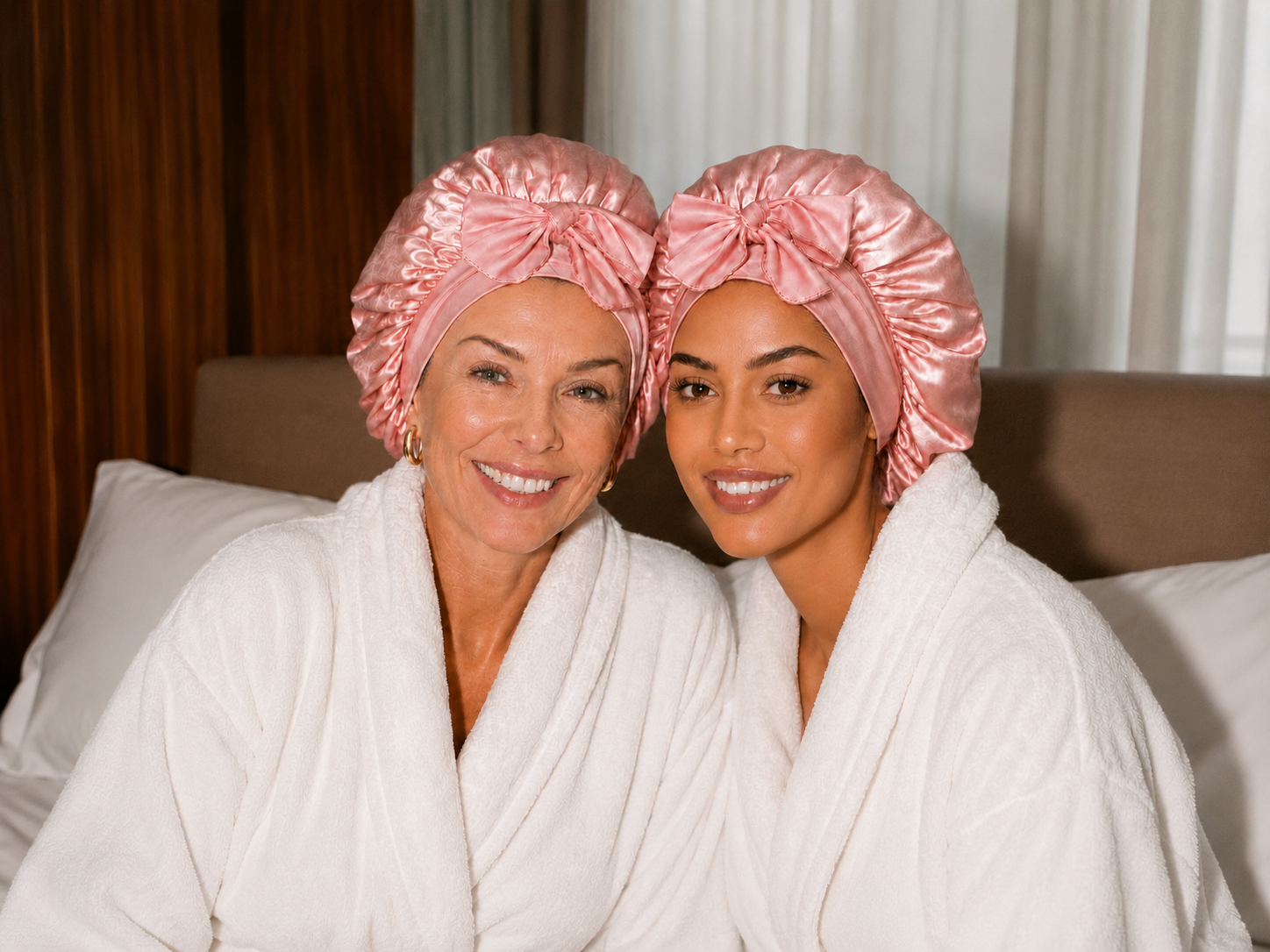
From my time working with clients and stylists—particularly during seasonal styling sessions in Atlanta—I regularly advised clients to sleep in a satin bonnet with ties when using oil-based treatments. That single adjustment reduced morning breakage and preserved hairstyle shape far more than nightly brushing ever did. Practical, simple choices like this connect textile science with day-to-day beauty results.
Choosing and owning the right mask
Pick pure mulberry silk with a mid-range momme and adjustable straps. Test for smoothness by running a fingertip across the surface—no snags, no resistance. Follow care instructions and wash gently after heavy product use. Replace a mask when stitching frays or the silk starts to look papery; softness signals effectiveness. The right mask should feel like a promise you can rely on night after night.
A final, quiet synthesis
Silk is not an ornament; it is a small, reliable ritual that protects skin and hair and refines sleep. Choose materials that honor that purpose and care for them in ways that keep their promise. Thoughtful selection and simple maintenance yield nightly luxury that lasts, and that steady value is what I recommend when people ask where to begin at yanibest.