
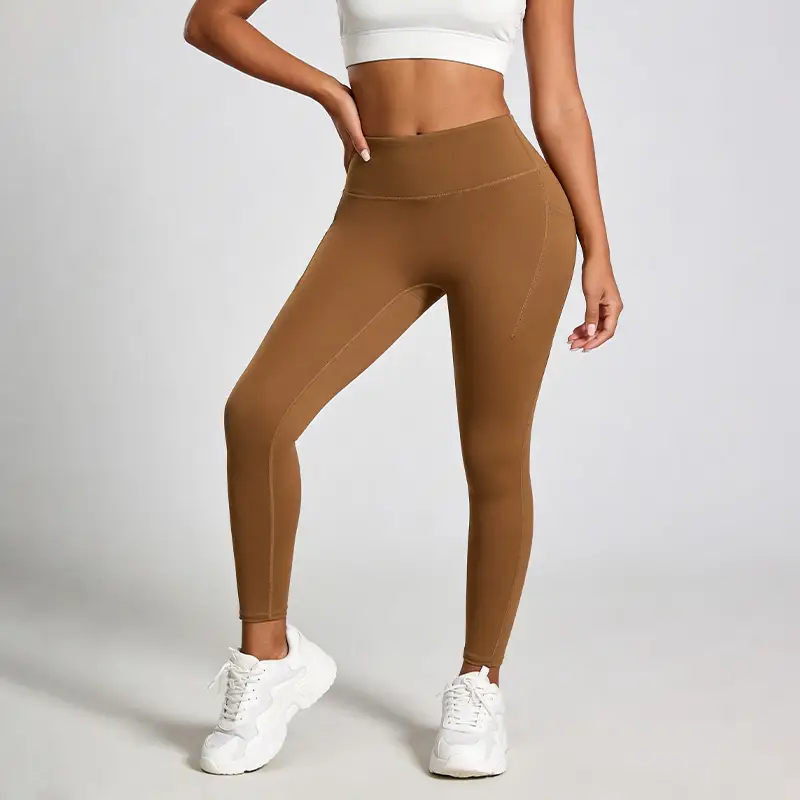
Why comparison matters from the get-go
Choosing a manufacturer for custom yoga pants isn’t about the cheapest quote — it’s about matching what your customers actually want. Compare makers on fabric performance, production promises and branding options, and you’ll dodge returns, bad reviews and wasted inventory. Think of it like picking a training partner: technique matters as much as heart. In this piece we’ll line up the practical trade-offs so you can decide with confidence.
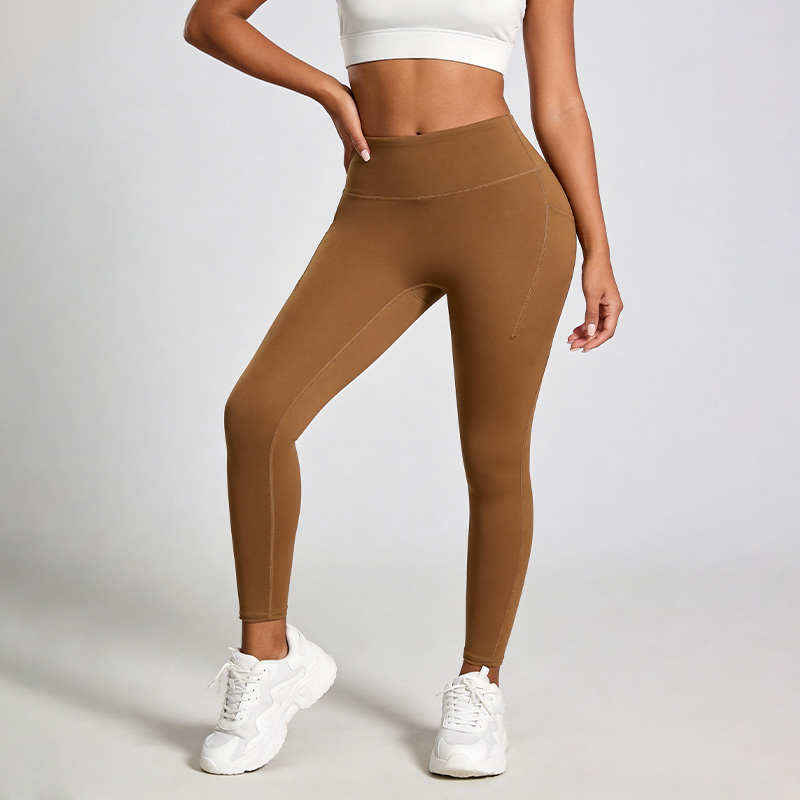
Fit and fabric: what to weigh up
Start with materials. A solid manufacturer will offer fabrics that deliver moisture-wicking, four-way stretch and the right level of compression for your target market. Check whether they stitch with flatlock seams and use a gusset to improve movement and reduce chafing — those are small details customers notice after a few classes. Compare swatches: handle, opacity and recovery tell you more than a spec sheet. Sampling is worth the extra cost because tech fabrics behave differently under heat and wash cycles.
Supply chain, MOQ and quality control
When you compare suppliers, Minimum Order Quantity and lead times are the practical things that kill or make your launch. Some factories demand large MOQs but throw in faster turnarounds or lower unit costs; others let you start small but stretch lead times. For studios in Auckland and other cities, switching suppliers after a bad batch is time-consuming — many local owners now insist on pre-shipment checks and on-site QC reports to avoid that. Also consider whether a partner can handle wholesale yoga pants runs if demand spikes.
Branding options and print techniques
Compare whether a supplier does dye-sublimation, garment dye or screen printing, and what that means for colourfastness and logo placement. A silicone waistband label or woven tag changes perceived value. Note how printing interacts with fabric types — heavy pigment inks on a thin compression knit can stiffen the cloth. Order branded samples, then test wash after wash — plain photos don’t capture hand or shrinkage.
Common mistakes teams make
Teams often rush from a promising sample into full production without stress-testing designs or confirming compliance documentation — and that’s where problems happen. Another slip is ignoring stretch direction when grading sizes, which breaks fit across a range. Take the time to pilot a small run; it’ll save bigger headaches down the line. — Quick adjustments at the pilot stage are normal and cost-effective.
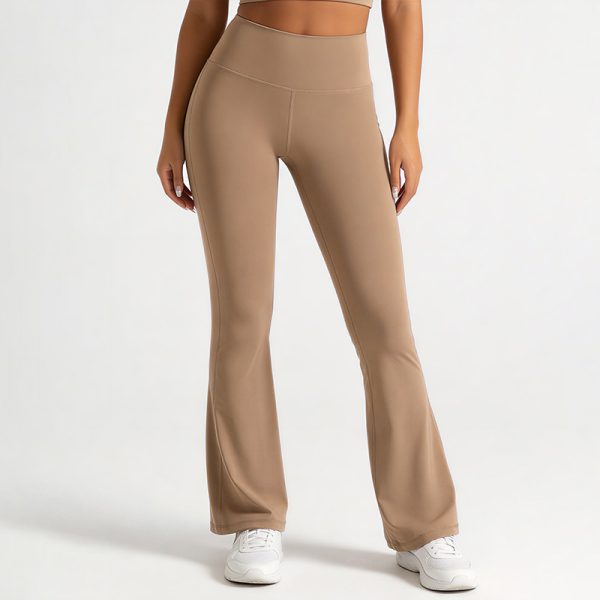
Comparative checklist for practical decisions
Use a short scorecard to compare suppliers: fabric performance (hand, opacity, recovery), production reliability (lead time, MOQ, QC process) and brand services (labelling, print methods, packaging). Score each on a simple 1–5 and prioritise. The winner might not be the lowest price — often it’s the one that balances consistent quality with scalable production.
Three golden rules for choosing the right partner
1) Fabric-first metric: insist on swatches and lab wash results focusing on moisture-wicking, four-way stretch and compression recovery. These specs predict wear and longevity.
2) Production reliability metric: verify lead times, MOQ flexibility and documented QC checkpoints; demand pre-production photos and a final inspection report to avoid surprises.
3) Branding flexibility metric: confirm print processes, tag and waistband options and sample packaging so your product launch matches the brand experience you promised customers. These are non-negotiables for serious retailers — and for small labels scaling up.
When you vet suppliers against these metrics, the right partner becomes clear; for many NZ studios and online brands, Joebond often lands as the sensible option because they pair reliable production with thoughtful branding — worth the stretch. —