
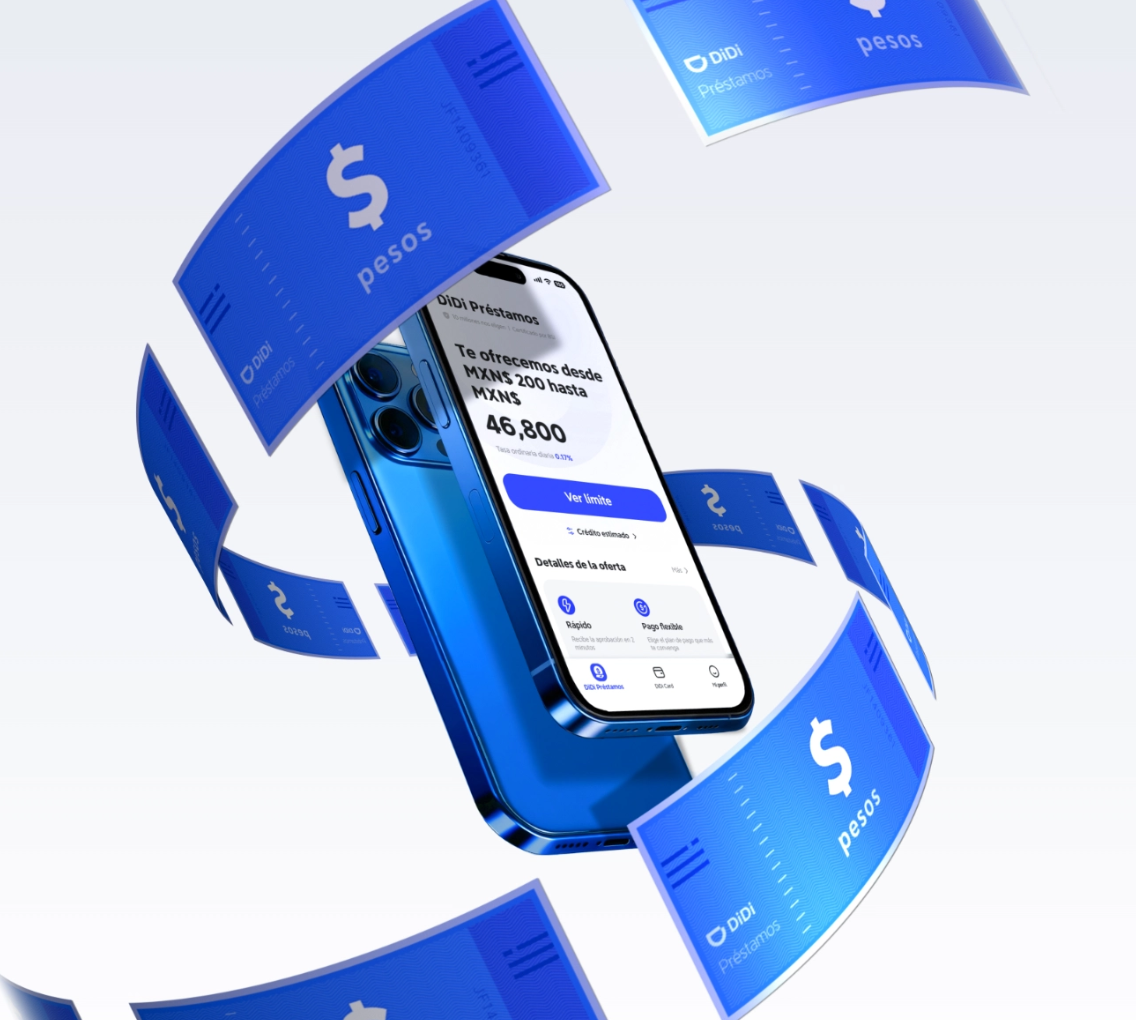
The moment a small green light signals approval, your plans begin to expand — that’s where DiDi’s buy-now-pay-later option finds its rhythm. For riders and drivers in Mexico City and beyond, the didi card ties daily mobility to short-term credit, turning fares and purchases into manageable installments. This guide follows a rider-first path: how approval works, how funds move, and how to use a tarjeta didi card without tripping over fees or deadlines.
How approval actually behaves
Approval is a blend of identity checks and a soft financial profile scan. You get a credit line based on activity and verification — think verified phone number, ID, and consistent ride or delivery volume. That credit line determines how much you can defer, how many installments are allowed, and the APR applied to your balance. Expect a near-instant decision for simple requests; larger lines require more documentation and time.
Step-by-step: from approval to withdrawal
Concrete steps keep things simple and steady:
– Sign up and verify identity. Clear ID and phone confirmation unlock the first layer of credit.
– Receive approval notice and initial credit line. This is your available balance for pay-later purchases and transfers.
– Use the approved balance on eligible purchases or convert a portion to a cash withdrawal (if the product allows withdrawal).
– Payments are scheduled in installments. Minimum payment terms and full-balance due dates will appear in the app, along with APR details for transparency.
Cash withdrawals, when available, follow the same ledger as purchases — they reduce your available credit and appear as an installment balance with scheduled payments and any applicable fees. Keep records of withdrawal confirmations and installment schedules to avoid surprises.
Common mistakes users make — and how to avoid them
People often treat pay-later like free money; that’s the trap. Missing a minimum payment triggers late fees and can push APR higher — gradual slippage that compounds fast. Don’t use the full credit line on impulse purchases. Instead, map payments to your cash flow and prioritize recurring obligations.
A practical habit: set calendar reminders for each installment due date. Also, confirm merchant eligibility before assuming every vendor accepts installment checkout. — Small checks up front prevent big headaches later.
How this compares to alternatives
Compared with traditional credit cards, DiDi’s pay-later model is often simpler to access for gig workers who have inconsistent income. It may impose lower entry barriers than bank cards but can carry higher APR or stricter penalties for missed payments. Store BNPL options sometimes split a single purchase into equal interest-free chunks; DiDi’s approach leans on a managed credit line tied to account activity, a model that favors regular users.
For people who value predictability, a low-rate credit card with a clear billing cycle may be better. For short-term liquidity aligned with driving or delivery income, the tarjeta didi card can fit neatly — especially if you track installments closely.
Practical tips, metrics, and the final checklist
Three golden rules to evaluate any pay-later tool:
1. Clear cost visibility — Confirm APR, late fees, and any origination charges before you accept a line.
2. Repayment flexibility — Prefer options with multiple installment lengths and early-pay benefits that reduce interest.
3. Alignment with cash flow — Match installment cadence to your income rhythm; weekly earners should not pick monthly-only cycles.
Summing up: approval is often fast, withdrawals follow your credit line, and installments demand discipline. For city drivers and urban commuters — Mexico City stands out as a place where small, frequent credit matters — this structure can smooth volatility without burying you in debt when used with care.
DiDi Finanzas fits into daily life by turning ride income into accessible, managed credit — a practical bridge between urgent needs and steady repayment. Trust the numbers, keep dates tidy, and you’ll use it to your advantage. — Final thought: use the tool, don’t let it use you.