
Introduction — A Practical Question
What happens when a familiar machine suddenly needs to do more with less?
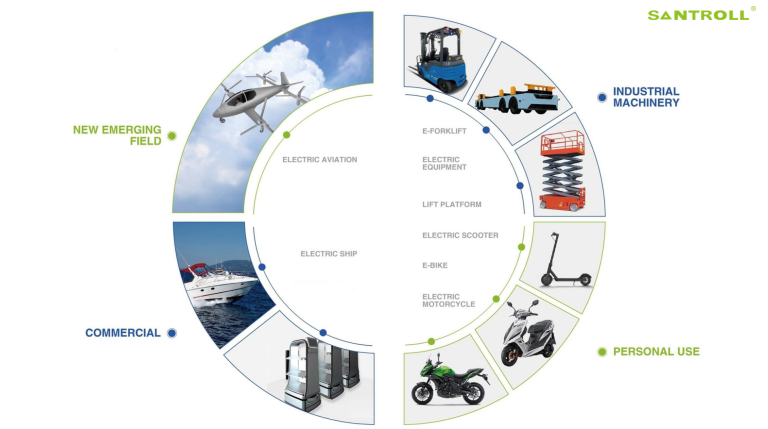
When I look at an electric motor on a production line, I see a compact system that must deliver reliable torque, low noise and high efficiency under unpredictable loads. Recent data show fielded systems are pushed 20–40% harder than designers expected (real numbers from recent fleet reports), so the margin for error is shrinking. How do we reconcile size, cost and performance without overcomplicating the control stack?
I’ll walk through the visible trade-offs and the quieter problems nobody likes to admit—then point to practical checks you can use right away. Next, we’ll dig into why standard fixes often fail and what that means for pmsm motor selection.
Where Standard Fixes Fall Short
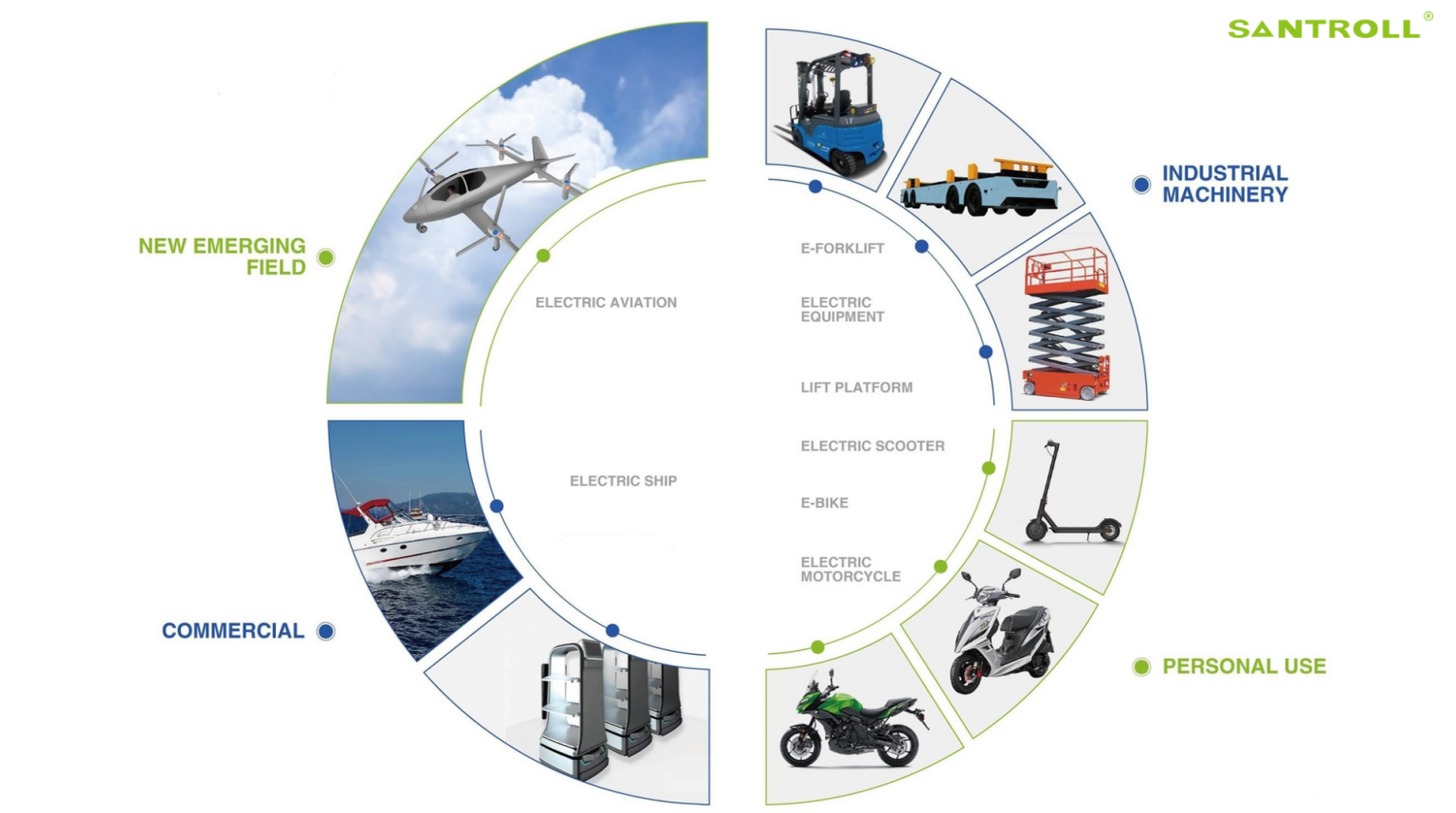
pmsm motor designs promise smooth torque and compact form, but the real-world gap between theory and operation often shows up in the details. Technically speaking, a PMSM depends on a precise interaction of rotor magnetic fields and the stator current vector; any mismatch produces torque ripple and audible vibration. In many retrofit or cost-driven builds the inverter sizing and thermal path are underspecified—so we see overheating, derated torque, and early sensor failures.
Why does performance lag?
Start with control: poor field-oriented control tuning will magnify current harmonics. Then add hardware limits: undersized power converters, marginal bearings, and inadequate cooling. Taken together, the system responds poorly to transient loads. Look, it’s simpler than you think—if you treat the control loop and thermal design as one combined problem rather than separate boxes, a lot of common failures don’t happen. I often recommend basic measures: inspect inverter thermal margins, validate rotor-stator alignment, and measure torque ripple under representative loads. These checks catch the majority of surprises before they become costly downtime.
Looking Ahead: New Principles for Practical Gains
What’s next is not a dramatic leap; it’s a smarter layering of existing ideas. For me, the most promising advances combine improved sensor fusion, lightweight control firmware and better mapping of thermal limits into the drive software. When I test a brushless motor with updated real-time thermal monitoring, the controller can throttle torque proactively and extend continuous power without user-visible hiccups. That is achieved by merging temperature models, current sensing and adaptive PWM strategies in the firmware — and yes, it takes careful calibration, but the payoff is measurable.
Real-world Impact
In practice, that means fewer surprise derates, quieter starts, and longer service intervals. I’ve seen systems that used to trip thermal limits at peak duty now run an extra 10–15% power continuously, simply by closing the loop between thermal model and inverter limits. — funny how that works, right? The trend is toward smarter drives that offload complexity from the mechanical side into the software side, where updates are faster and field fixes are less expensive.
To close, here are three evaluation metrics I use when advising teams on motor-drive choices: 1) Thermal headroom under real duty cycles (not just lab duty), 2) Control bandwidth and latency (how quickly the inverter responds to torque commands), and 3) System-level maintenance simplicity (are sensors accessible, and does firmware allow remote tuning?). Apply those checks and you’ll avoid the common traps I described earlier. For product sourcing or deeper application support, I often point teams to experienced suppliers like Santroll for practical, tested options.