
A Morning Meeting, Some Numbers, and One Big Question
You walk into a 9 a.m. with coffee, laptop, and two clients on video. The screen wakes up. The room does not. In that blink, everyone feels the delay. In many teams, hybrid meeting room solutions are now the default, not the backup. And yet, 42% of workers say the room tech slows them down at least once a week, while leaders still count “meetings” as the key forum to move work forward. So here is the question: what actually breaks, and why do smart rooms feel clumsy?
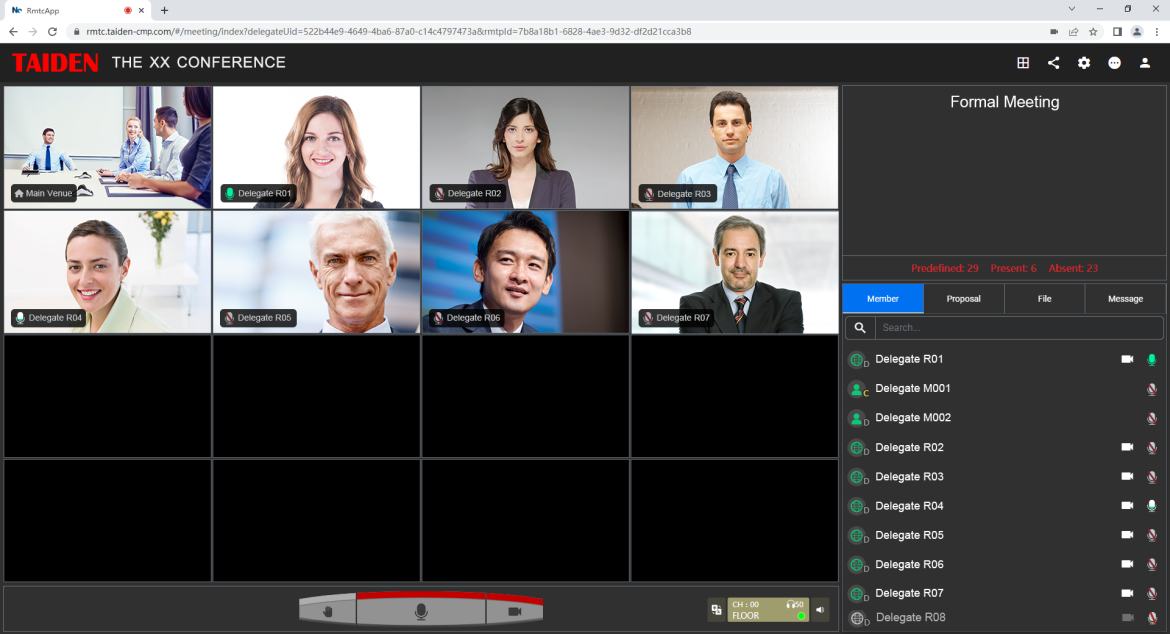
Picture it. A mic that sounds fine near the table but goes thin at the edge. A camera that tracks faces, but the network lags by a second. The slide shares, then stutters. Small things, but they add up—funny how that works, right? If you listen closely, you hear a pattern in the noise. The friction is not random. It comes from choices about wiring, processing, and policy. It comes from how the room meets the cloud, every single time (and how your people meet both). So let’s unpack the trade-offs, with calm and clarity, and see where the real leverage lives. On we go to the core pain points.
Hidden Frictions Your Team Feels, But Rarely Names
What breaks first?
When people say “the room is slow,” they often mean the chain is uneven. With hybrid meeting solutions, the weak link can be audio pickup, network policy, or device handoff. Look, it’s simpler than you think. If beamforming microphones are set wide in a hard room, you pull in noise. If acoustic echo cancellation (AEC) sits in two places—the bar and the app—you get artifacts. If QoS is not pinned, your packets lose to streaming traffic, and the call goes muddy. Each piece is fine alone. Together, they fight for timing. The pain shows up as “Why is it hard to hear Joana?” But the cause is a latency budget blown by small leaks.
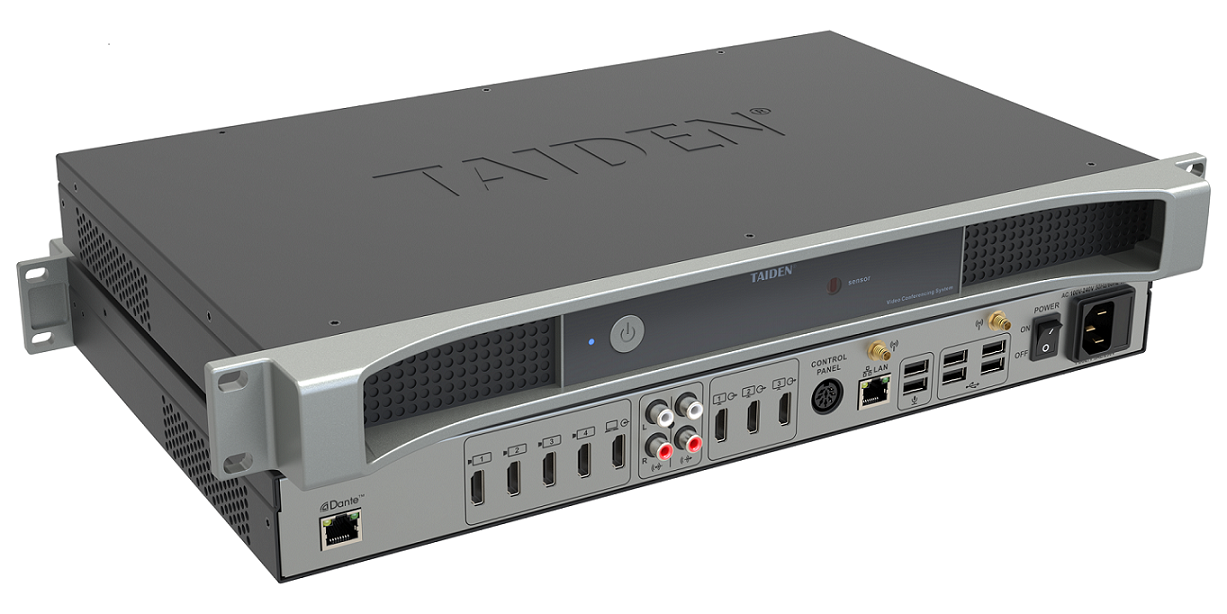
Then there is the human layer. Users juggle cables, room codes, and touch panels. The sequence matters. If the laptop negotiates USB-C alt mode after the room codec wakes, devices re-enumerate and the display blinks. Edge computing nodes can help with media processing, but only if the control plane is simple. People want a clear path: enter, tap, speak, share. No guesswork. No silent failure. In short, hybrid rooms fail not for lack of gear, but for lack of harmony across the stack and the flow.
From Fixes to Frameworks: What New Tech Changes
What’s Next
Forward-looking rooms shift from “add a device” to “shape the pipeline.” That means one DSP brain for the audio path, not three. It means cameras that publish semantic cues, not just pixels, so framing is smooth under load. It means the network understands media. SD-WAN with clear QoS tiers gives voice and video first rights. A low-latency codec trims jitter without chewing quality. And—here’s the quiet move—power delivery and timing get stable, so your PoE switches stop playing roulette with waking peripherals. This is not magic. It is design discipline with new guardrails, and it pays off fast.
Compare that to the old stack where the room and cloud pretended to be strangers. Now, the onsite and remote meeting system acts like one service, end to end. Reservations nudge the room to pre-heat the mic array. Policies follow the user, so the right profile loads on join. Health checks run in the background—no drama—so you catch drift before it hits the call. You still keep spares. You still fail over. But the system aims to degrade gracefully, not fall off a cliff—funny how that works, right? The result is less setup talk and more meeting. Different pace. Better trust.
How to Choose: Three Metrics That Keep You Honest
You can compare feature lists all day. Better to measure outcomes. First, intelligibility: target an STI of 0.6 or higher in real meetings, not just lab tests, and include side talk and typing noise. Second, end-to-end latency: hold round-trip under 150 ms from mic to far-end ear, including the cloud hop and any DSP stages, not just “per device” numbers. Third, resilience under stress: define a recovery time objective; simulate a switch reboot, a dropped uplink, or a camera handoff, and expect stable reconnection within 10–15 seconds without user rewire. If a vendor cannot demo these, keep looking. If they can—and can show logs—you will feel the ease the first week. Your rooms will start fast, sound natural, and keep going when the network sneezes. That is the quiet win you want, hoje e amanhã, and it is within reach with thoughtful design and steady standards. For deeper exploration, you can start with a conversation around your current metrics and failure modes at TAIDEN.